The effects of the Chinese herbal medicine Anemarrhena asphodeloides are clearing heat and draining fire, and nourishing yin and moistening dryness.
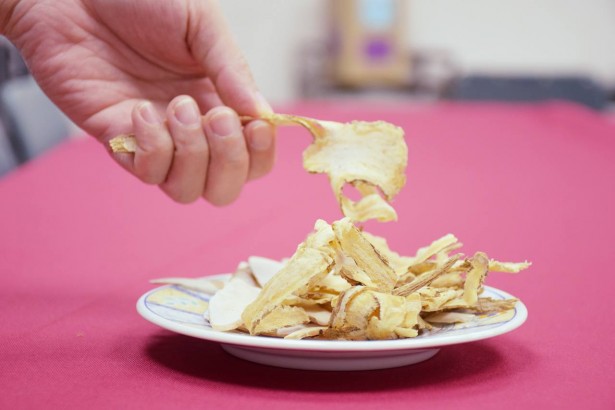
Anemarrhena asphodeloides (Zhimu) is a commonly used Chinese herbal medicine, derived from the dried rhizome of the plant Anemarrhena asphodeloides of the Liliaceae family. It is mainly produced in northern regions such as Hebei, Shanxi and Inner Mongolia. Its flavor is bitter and sweet, its nature is cold, and it enters the Lung, Stomach and Kidney meridians. Since ancient times it has been regarded as a key herb for clearing heat and draining fire, and for nourishing yin and moistening dryness.
In terms of clearing heat, Anemarrhena asphodeloides excels at clearing and draining excess heat at the qi level, and is often combined with gypsum (Shigao) for the high fever and intense thirst caused by exogenous febrile diseases. It can also clear and moisten the lungs, making it suitable for lung-heat cough or dry cough with little phlegm, and it is often used together with Fritillaria (Beimu). In terms of nourishing yin, Anemarrhena asphodeloides can nourish yin and reduce fire, and has a supportive regulating effect on steaming bone and tidal fever, night sweats and restlessness caused by yin deficiency with hyperactive fire, and it is often combined with Phellodendron (Huangbai).
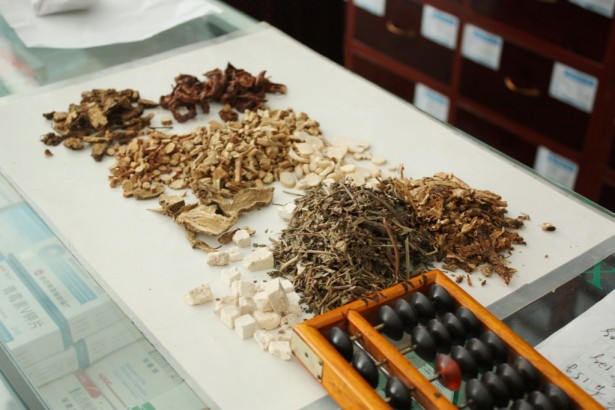
In addition, Anemarrhena asphodeloides can promote fluid production and quench thirst, and moisten dryness and lubricate the intestines, making it suitable for dry mouth and thirst as well as constipation due to intestinal dryness. When used as medicine, different processing methods give it different emphases: raw Anemarrhena asphodeloides tends toward clearing heat and draining fire, while salt-processed Anemarrhena asphodeloides tends toward nourishing yin and reducing fire. Clinically it is mostly used in decoctions or pills and powders, and the specific combination should be determined by a TCM practitioner based on pattern differentiation.
It should be noted that Anemarrhena asphodeloides is cold in nature, so those with deficiency-cold of the spleen and stomach or loose watery stools should not use much of it, and pregnant women and those with a weak constitution should use it with caution. When purchasing, it is recommended to go through a regular pharmacy or dispensary, check whether the herb is dry and free of abnormal odor, avoid buying slices that have been over-fumigated with sulfur or adulterated, and store it in a cool, dry place.
Related Reading