National Medicinal Plant Garden opens, promising development for the local Chinese herbal medicine industry
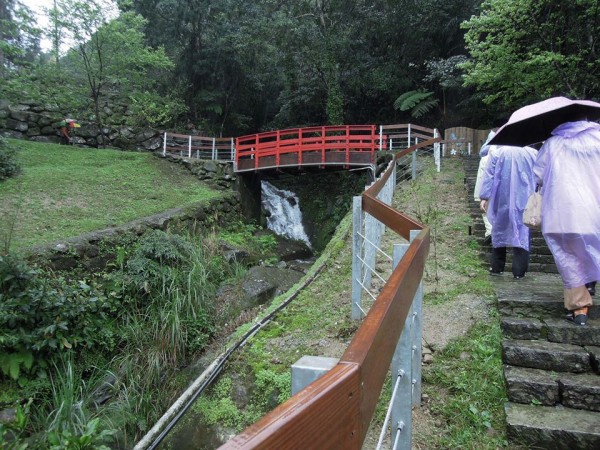
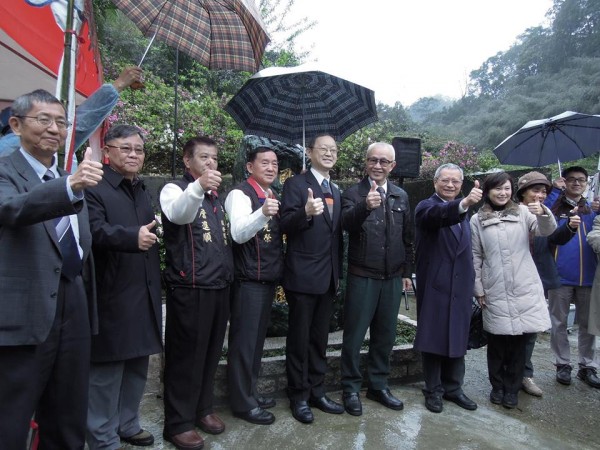
The "Ministry of Health and Welfare National Medicinal Plant Garden," located in Pingxi District, New Taipei City, opened yesterday. Construction had previously been delayed due to soil and water conservation and infrastructure issues, and it was mocked by the media as a "mosquito hall"; now, with its opening timed just before Arbor Day, it will adopt a reservation registration system starting in April, providing academic institutions with research access, visits, and preservation of medicinal plant germplasm. However, experts in the traditional Chinese medicine field suggest that the positioning of the medicinal plant garden should not be limited to research and teaching, but should also play a leading role in driving the development of the local Chinese herbal medicine industry.
Currently only for research and teaching, technology transfer to domestic producers has not yet been developed
The National Medicinal Plant Garden was proposed and is managed by the National Research Institute of Chinese Medicine under the Ministry of Health and Welfare. Construction began in 1998, with a total area of 91.78 hectares, about 3.5 times the size of Daan Forest Park. The original plan was to complete it in three phases at a cost of 100 million yuan, but because it is located in a water source protection area, and because the second-phase contractor deviated from the original design route during trial work and encroached on private land, litigation delayed the project. The first-phase construction cost was about 70 million yuan, and the remaining funds have been returned to the treasury, explained Chiu Wen-hui, deputy director of the National Research Institute of Chinese Medicine.
At present, the completed results of the first phase are being displayed first, with the focus placed on researching local native plants, introducing Chinese medicines already successfully cultivated by agricultural improvement stations, and cultivating Taiwan's native medicinal plants. Chiu Wen-hui, deputy director of the National Research Institute of Chinese Medicine, said that the garden currently has a 840-square-meter nursery, divided into eight zones cultivating 114 plant germplasm species, including angelica (Angelica sinensis), danshen (Salvia miltiorrhiza), heshouwu (Polygonum multiflorum), and Taiwan cinnamon (Cinnamomum insulari-montanum), but large-scale mass production for medicinal use or technology sharing cannot be achieved immediately at this stage.


For more professional agricultural science and technology information, please scan the QR code to follow WeChat: NongXunNET

Please indicate the source when reprinting.