20% of traditional Chinese medicines are mixed with anti-inflammatory Western drugs; stop asking people to buy them from China
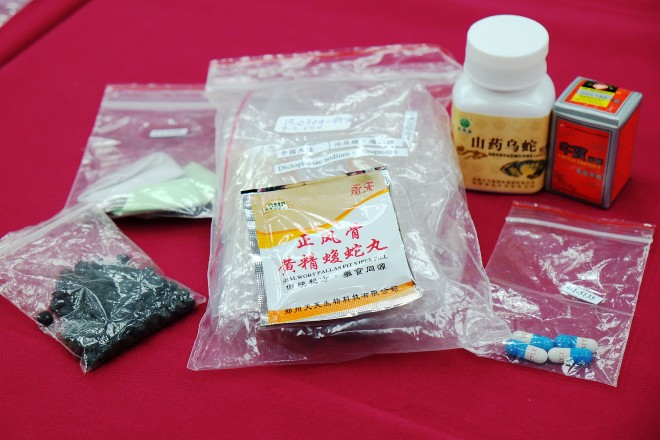
On trips to China, people buy traditional Chinese medicine along the way, or receive herbal medicines as gifts from relatives and friends. The Consumers' Foundation found that a large proportion of these Chinese medicines of unknown origin were adulterated with Western drugs, and among the adulterated Western drugs, the anti-inflammatory painkiller "piroxicam" was the most common. Chang Yung-hsun, convenor of the Consumers' Foundation's Chinese Medicine Committee, pointed out that taking too much of this type of combined Chinese-Western medicine may, if it exceeds the body's dosage, affect organs such as the liver. He urged that if consumers want to buy Chinese medicine, they should go to a Chinese medicine clinic and have it prescribed by a legally practicing Chinese medicine practitioner, or buy medicines from Chinese medicine manufacturers holding a GMP license.
Consumers' Foundation: Nearly 20% of Chinese medicines are adulterated with Western drugs, with anti-inflammatory painkillers the most common
The Consumers' Foundation today released its 2015 annual report on Chinese medicine testing. All the samples submitted for this testing came from consumer commissions. The Consumers' Foundation submitted them for testing at the end of November last year, and found that among 104 Chinese medicine samples, 17 were found to contain Western drug ingredients, a proportion of about 16.3%, double the rate found last year.
A total of 18 Western drug ingredients were detected in these 17 adulterated Chinese medicine samples. Among them, the anti-inflammatory painkiller piroxicam was detected 8 times, the most among all detected samples. In addition, the diuretic hydrochlorothiazide and vitamin B1 were each detected 6 times, and the non-steroidal anti-inflammatory drug acetaminophen was detected 5 times, and so on.