An Introduction to the Effects and Benefits of the Traditional Chinese Medicine Huangjing (Polygonatum) and Common Ways to Eat It
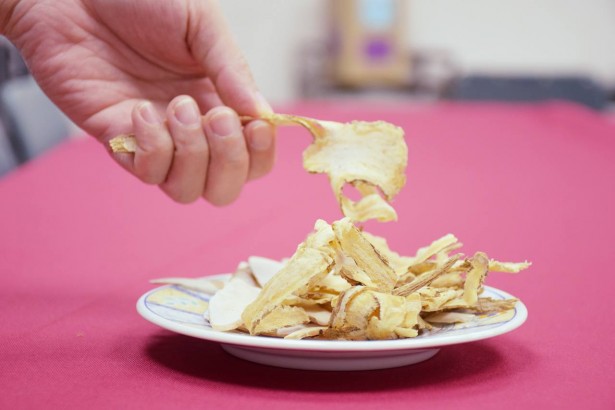
Huangjing (Polygonatum) is the dried rhizome of a perennial herb in the lily family. It is a traditional and commonly used Chinese medicinal material, found both wild and cultivated, mostly in shaded, damp places under forest canopies and on hillsides, and is produced in greater quantities in the mountainous areas of southern China. Commercially, it is generally divided by source and shape into three types: large huangjing, chicken-head huangjing and ginger-shaped huangjing, which come mainly from Polygonatum kingianum, Polygonatum sibiricum and Polygonatum cyrtonema respectively. Raw huangjing can be somewhat irritating to the throat when taken directly, so it usually needs to be steamed before use; processed huangjing is dark in color, oily and moist in appearance, and sweet in taste, and the traditional processing method of nine steamings and nine sun-dryings is handed down among the people.
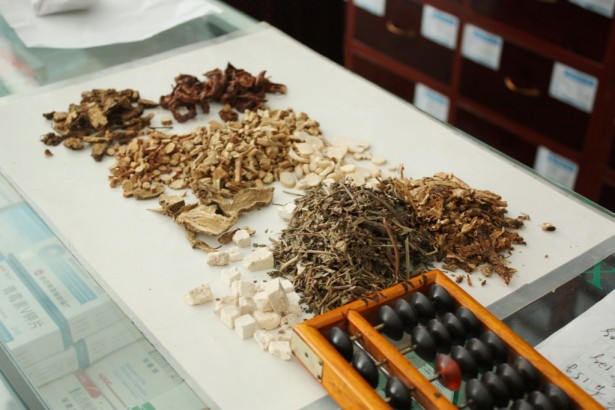
From the perspective of traditional Chinese medicine theory, huangjing is sweet in flavor and neutral in nature, and enters the spleen, lung and kidney meridians. It is traditionally believed to tonify qi and nourish yin, strengthen the spleen, moisten the lungs and benefit the kidneys, and is often used to support conditions such as fatigue and lack of strength, dry mouth with poor appetite, dry cough from lung dryness, and soreness and weakness of the lower back and knees. Because its nature is mild and moistening, huangjing is often regarded as a tonic that is both a food and a medicine, and it appears in everyday dietary therapy paired with ingredients such as goji berries, red dates and Chinese yam.
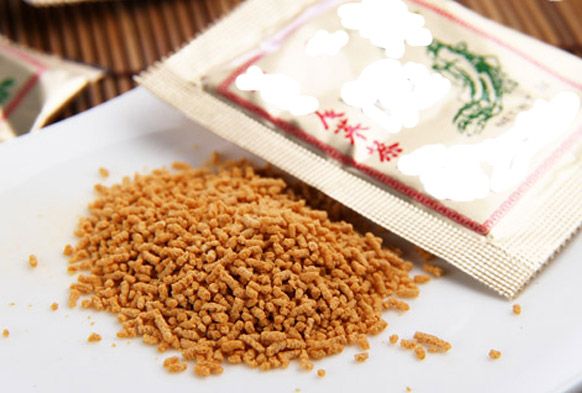
In daily use, huangjing can be made into soup, cooked into congee, steeped in water or infused in liquor, and processed forms such as huangjing tea and huangjing paste are also available on the market. Since huangjing is a substance that is traditionally both a food and a Chinese medicinal material, it is fairly commonly used in home dietary therapy and in cooking, and eating it after it has been fully steamed and cooked through gives a better texture and is easier to digest and absorb.
It should be noted that huangjing is rich, moistening and cloying in texture, and it is traditionally believed that people with spleen deficiency and excess dampness, those with copious phlegm and cough, or those with indigestion should not take large amounts over a long period. For medicinal use in regulating the body, it is best to do so under the guidance of a Chinese medicine practitioner or pharmacist. When purchasing, choose legitimate channels, check whether the medicinal material is evenly dried, and watch for any sulfur-fumigation odor, mold or insect damage, and avoid buying loose products of unknown origin, so as to ensure quality and food safety.
Related Reading