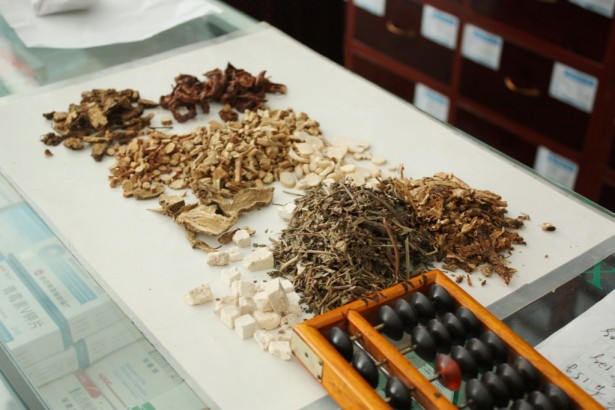
A Detailed Guide to the Effects and Contraindications of Rhubarb in Traditional Chinese Medicine
Rhubarb is the root and rhizome of a perennial herb in the Polygonaceae family, mainly produced in the high-altitude regions of northwestern and southwestern China. It is a purgative medicinal material commonly used in traditional Chinese medicine and has long been known as the "general." Its taste is bitter and its nature is cold. Physicians through the ages have mostly used it for constipation due to excess heat, abdominal pain from food accumulation, and similar conditions, making it a representative purgative.
In terms of effects, rhubarb mainly purges and removes accumulations, clears heat and drains fire, cools the blood and resolves toxin, and expels blood stasis to free the meridians. Traditionally, it has also been used as an auxiliary treatment for damp-heat jaundice, bleeding due to blood heat, carbuncles, swellings and sores, and traumatic bruises. It is generally believed that its anthraquinone components are the main material basis for its purgative effect, while the tannins it contains have a certain astringent action; therefore, different dosages and methods of use can produce different effects.
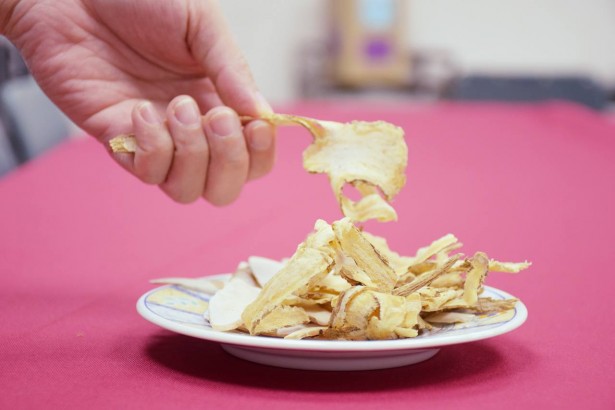
Because of different processing methods, rhubarb's effects vary in emphasis: raw rhubarb has a strong purgative action and is mostly used to relieve constipation and remove accumulations; wine-processed rhubarb tends to clear upper-jiao fire and heat; prepared rhubarb has a milder purgative action and is better at invigorating blood; and rhubarb charcoal is especially good at stopping bleeding. In addition, rhubarb can also be used externally; grinding it into powder and applying it as a paste is often used as an auxiliary treatment for skin problems such as burns and sores.
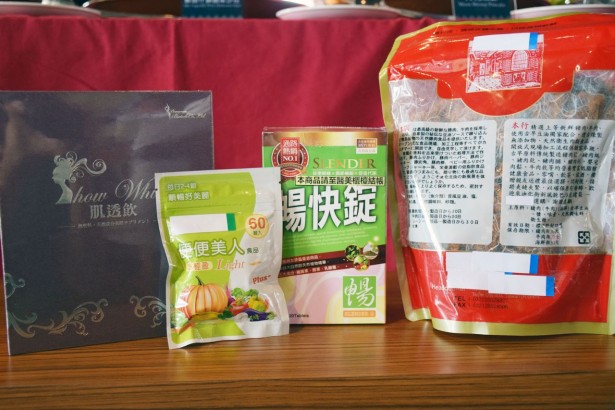
It should be noted that rhubarb is cold in nature and bitter in taste. Pregnant women, women during menstruation and breastfeeding, and people with spleen-stomach deficiency cold or loose stools should use it cautiously or under a physician's guidance. Children and the elderly or weak should also not rely on it for bowel movements over the long term. Taking rhubarb-containing laxatives or health products on one's own for a long time may cause adverse reactions such as intestinal dysfunction. When purchasing, it is advisable to use proper channels, check whether the medicinal material is dry and intact, and use it after syndrome differentiation by a traditional Chinese medicine physician or pharmacist, so as to better bring out its effects and avoid misuse.
Related Reading