The Benefits and Effects of Dried Tangerine Peel (Chenpi) in Traditional Chinese Medicine and Everyday Ways to Use It
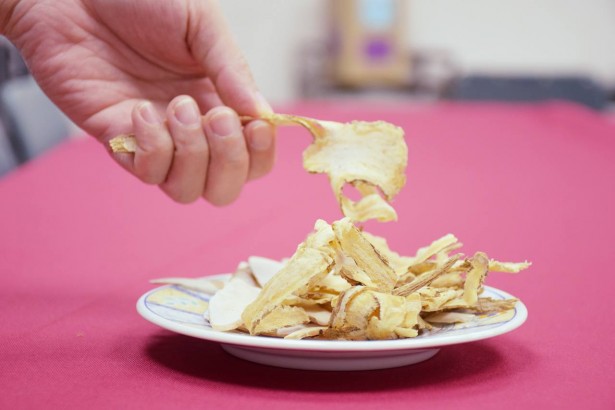
Chenpi is the peel of the ripe fruit of citrus plants in the Rutaceae family, made by sun-drying or air-drying the peel and then storing it to age; it takes its name from the belief that the longer it is aged, the better it is. It is both a commonly used traditional Chinese medicinal material and a familiar seasoning ingredient in soups, braised dishes and sweet soups, and is especially popular in the food culture of places such as Guangdong.
In traditional Chinese medicine theory, chenpi is warm in nature and pungent and bitter in taste, and enters the spleen and lung meridians. It is used to regulate qi and strengthen the spleen, and to dry dampness and resolve phlegm, and is often used for abdominal distension, poor appetite, and cough with copious phlegm. The volatile oils and hesperidin and other components it contains are generally considered the main sources of chenpi's flavor and functions, and related research is still ongoing.
There are many ways to use chenpi in daily life: a small amount can be brewed with red dates and ginger as a tea substitute, one or two slices can be added when stewing meat or making soup to help remove fishy odors and cut greasiness, and it can also be used to make traditional desserts such as chenpi red bean paste. The amount used each time should not be too much, and chenpi that is fully aged with a mellow aroma usually tastes better.
When purchasing, pay attention to appearance and smell, and avoid products with overly bright colors or a pungent sour odor, to guard against problems such as sulfur dioxide fumigation; buying through proper channels is recommended. In addition, chenpi tends to be warm and drying in nature, so those with yin deficiency and dry cough or with excess heat internally should use it with caution, and if long-term or large-dose use is needed, it is best to first consult a traditional Chinese medicine doctor or pharmacist.
Related Reading