Bamboo Shoot Planting Techniques Explained in Detail: Master the Key Points and Grow Good Bamboo Shoots with Ease
Bamboo shoot planting techniques refer to a series of management methods covering bamboo plants from site selection and plantation establishment to shoot harvesting. Bamboo shoots are the young, tender stems and buds of bamboo. Because bamboo species differ, the shooting season and harvesting methods also differ noticeably. Growing bamboo shoots well requires managing the bamboo grove itself as well as taking care of basic conditions such as soil, water and nutrients.
Common cultivated bamboo species include moso bamboo (Phyllostachys edulis), ma bamboo (Dendrocalamus latiflorus), green bamboo (Bambusa oldhamii) and Lei bamboo (Phyllostachys praecox). Moso bamboo mostly produces winter shoots and spring shoots, while ma bamboo and green bamboo mainly produce shoots in summer, and small and medium-sized species such as Lei bamboo shoot early, making them suitable for getting to market first. Different bamboo species have different climate requirements, so before planting you should choose a suitable variety based on local temperature, rainfall and soil conditions.
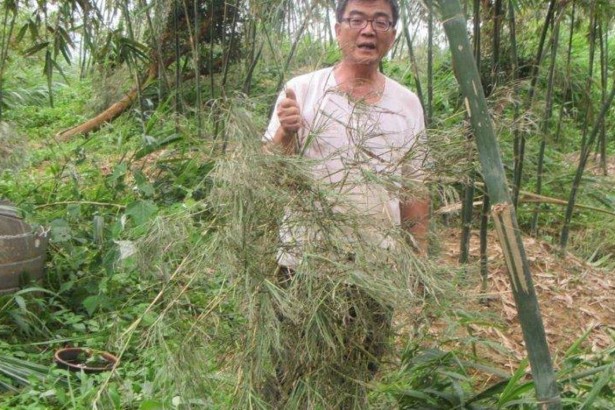
In the planting stage, the first step is to choose good land, preferably a plot with deep soil, good drainage and plenty of sunlight. After planting, pay attention to water and fertilizer management: water promptly during drought, supplement organic fertilizer appropriately before and after shooting, and at the same time earth up the soil so the shoots grow underground and stay tender and white. In daily care you should also loosen the soil and remove weeds, promptly thin out old and diseased culms, and keep the bamboo grove well ventilated and exposed to light. In areas prone to typhoons, preparations to protect the bamboo from wind should also be made in advance.
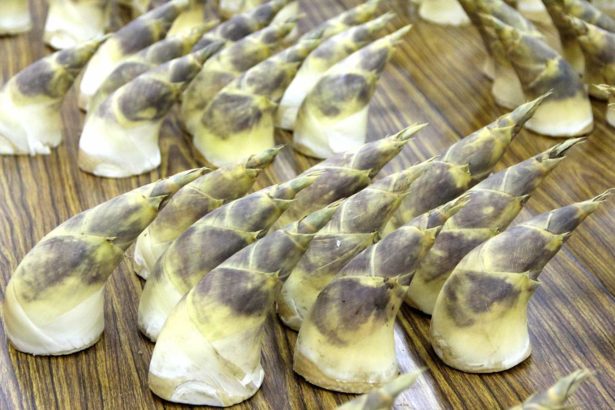
Bamboo shoots are valued for being fresh and tender. Green bamboo shoots, for example, are prized for being curved, plump and white, as such shoots have a delicate texture and a sweet, fresh flavor. When harvesting, observe how much of the shoot tip has emerged above the soil surface and dig them promptly; if harvested too late, the shoots tend to become tough. Bamboo shoots are nutritious and can be eaten fresh or processed, and are an important source of income for farmers in many production areas.
Common problems for beginners include bamboo seedlings failing to survive, few shoots emerging and small, thin shoots. Most of these are related to improper site selection, insufficient water and fertilizer, or a bamboo grove that has not been renewed for a long time. Only by doing the basic management well and renewing the grove regularly can the yield and quality of bamboo shoots remain stable.
Related Reading