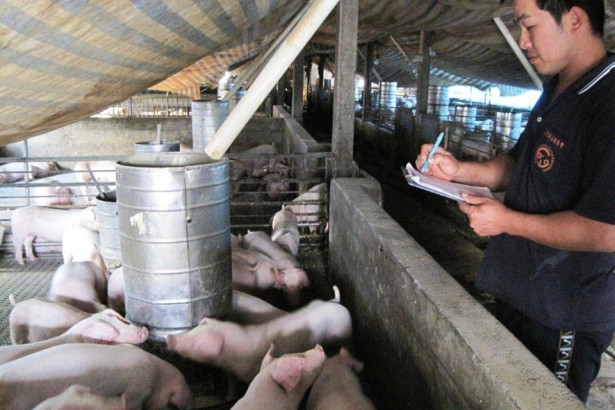
Pork price trends are affected by both supply and demand and the breeding cycle
Pork price trends refer to the fluctuations in pork prices in the market over time and are an important indicator for observing the livestock economy. They affect both the income of farmers and directly influence residents' dining consumption, and therefore have always attracted much attention.
In terms of patterns, pork prices often show obvious cyclicality, commonly known in the industry as the pig cycle. When pig prices are high, farmers expand and replenish their herds; after pigs are marketed in large numbers, supply increases and prices fall accordingly. When prices are low, some farmers reduce production or exit, and after supply contracts, prices are pushed up again, repeating in this cycle.
In addition to cyclical factors, feed costs, disease, seasonal consumption and import volumes can also affect price trends. Rising prices of feed such as corn and soybean meal push up breeding costs; consumption is strong around holidays, and the market is usually relatively firm; major diseases may cause a sharp drop in supply and trigger rapid price fluctuations.
For farmers, paying attention to pork price trends helps them reasonably arrange the pace of restocking and marketing and reduces the risk of blindly following the crowd; for consumers and operators, understanding market changes can also help them better grasp purchasing and sales timing. Local agricultural authorities and wholesale markets usually publish market information regularly, which can serve as a daily reference.
Related Reading