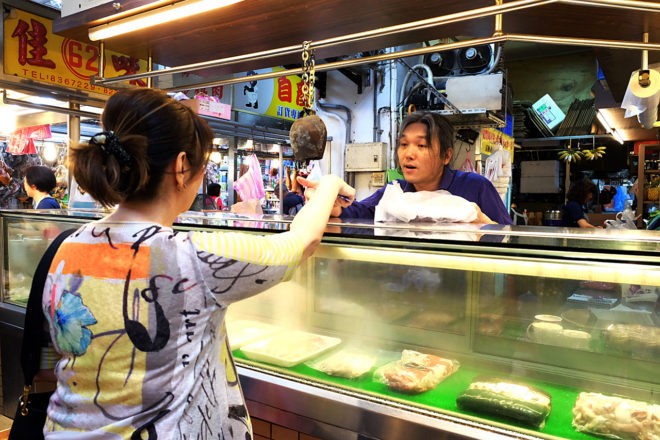
The bacterial count in warm-body pork is 10,000 times higher than in chilled meat, and Shidong Market is sparking a reform.
On a scorching summer day, stepping outside feels like entering an oven. Traditional meat stalls display warm meat on open shelves in high-temperature conditions, so how can food safety be ensured? Conventional wisdom has always held that warm meat is more "fresh," but livestock experts point out that most meat at pork stalls is slaughtered the night before at 10 or 11 p.m., with no refrigeration or freezing at any point along the way, then delivered directly to vendors at each market. After midnight cutting and processing by the vendors, by the time consumers buy it the next morning, well over 10 hours have passed. "Not only is it not fresh, but the bacterial count of warm meat is about 1,000 times that of a toilet and 10,000 times that of chilled meat."
However, since pork is mostly eaten cooked, generally speaking, food-poisoning bacteria do not easily grow at temperatures above 60 degrees C. Therefore, if thoroughly cooked and the core temperature is heated to above 70 degrees C, the cooked meat will not necessarily harm the human body. But when the surface bacterial count of fresh meat multiplies to over 10 million, the meat begins to produce off-odors and slime. Even if there is no safety concern after cooking, the meat has already spoiled and has an off-odor, so consumers should choose carefully.
Reform at Tianmu's Shidong Market makes pork safer
In recent years, calls to reform the traditional warm-meat sales model have been rising. Not only have some meat stalls at Nanmen Market, a hot spot for New Year goods, installed refrigerated cases, but Shidong Market in Tianmu has further planned to require all nearly 10 meat stalls in the market to buy freezers by the end of this year, hoping to improve the unhygienic image of traditional meat stalls. However, vendors who have already paid out of their own pockets to buy equipment admit that there may be difficulties. Not only will equipment and electricity costs increase expenses, but "some consumers are deeply caught up in the myth of warm meat and may not buy into it."
A reporter's on-site visit to Shidong Market found that 3 meat vendors in the market have already taken the lead in installing refrigerated and freezer cases. Some installed them as early as 10 years ago, and some within the past 2 years, but they remain a minority in the market.
Shidong Beef Shop at stall No. 63 in Shidong Market installed a frozen display case 10 years ago, spending a total of 500,000 yuan. Owner Chen Shih-pei said confidently, "My freezer stays at minus 20 degrees C." Vendors selling meat should of course refrigerate or freeze it, and it should also be vacuum-packed. Freezing suppresses bacterial growth, and vacuum packing is to isolate air and prevent oxidation. Only in this way will the meat quality be good and not easily spoil.
Chen Shih-pei not only sells imported beef but also sells Taiwan beef. He said cattle are mostly slaughtered at 10 p.m. the night before. Before the market opens at 6 a.m., he first lets the freezer pre-chill for 1 hour, does the cutting and packaging in advance, and then sends it into the freezer for storage or display. "Some consumers say mine is no different from supermarket frozen meat, thinking that hanging warm beef is what counts as fresh. But Taipei's Huannan Market now does not slaughter cattle on Wednesdays and Thursdays. So where does the vendors' meat come from on those two days?"