Glue-Injected Pork Is Highly Harmful: Master These Identification Methods to Buy Meat with More Peace of Mind
Glue-injected pork refers to a adulteration method in which, during slaughter or distribution, glue-like water-retaining substances such as carrageenan and gelatin are injected into pork to increase its weight and make the meat color appear fuller. It works on a principle similar to the common practice of injecting water into pork, but because the gelatinous substance can lock in moisture, glue-injected meat is less likely to release water during storage and sale, making it even harder to identify with the naked eye.
This type of meat usually has an abnormally wet surface with an unnatural sheen; after being pressed, it rebounds slowly or even retains fingerprints; a cut surface left to sit for a while will seep cloudy liquid; it feels sticky to the touch; and some pieces may show tiny needle marks. After cooking, it shrinks noticeably, has a dry, tough texture, or develops an unnatural gelatinous quality, and its flavor is also noticeably worse.
From a food safety perspective, if the injected substance is a compliant food-grade material, the main problems are short weight and reduced meat quality; but if industrial glue or additives of unknown composition are mixed in, the long-term health risks of eating it are difficult to assess. In addition, if the injection process is carried out under poor sanitary conditions, it also increases the chance of microbial contamination.
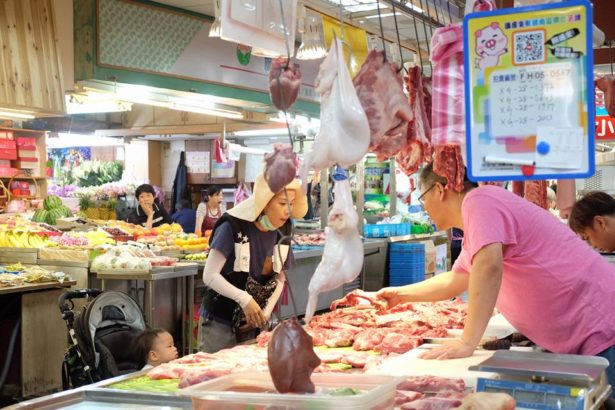
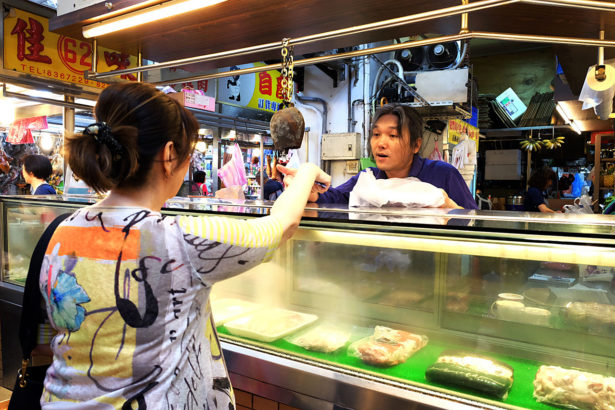
When purchasing, consumers are advised to buy through formal markets or channels with inspection and quarantine marks, observe whether the meat color is natural and whether the surface has excessive moisture, and do a press test. Be especially cautious about meat priced noticeably low; if a large amount of water is released before cooking, stop eating it and, if necessary, report it to the market regulatory authorities.
Related Reading