High-quality forage has high nutritional value and broad prospects for planting and application
High-quality forage refers to forage grass with high nutritional value, good palatability and high digestibility, suitable for feeding cattle, sheep and other livestock. Compared with ordinary forage, it has a higher crude protein content and better fiber quality, and can provide livestock and poultry with a balanced source of nutrients. The flavor of fresh milk and the quality of beef cattle are often closely related to the quality of the forage the livestock eats every day.
Common high-quality forage grasses include alfalfa (Medicago sativa), ryegrass, silage corn, napier grass (Pennisetum purpureum) and oat grass, among many other types. Legume forages have a relatively high protein content, while grass-family forages have stable yields and good palatability; in production, the two types are often planted together or used in combination. Each region can choose a suitable variety combination according to climate, soil conditions and the type of livestock being raised.
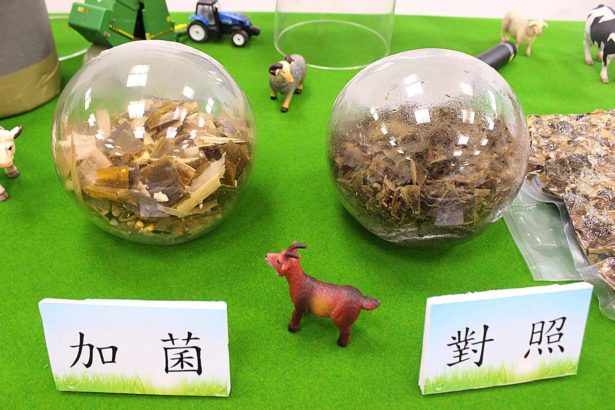
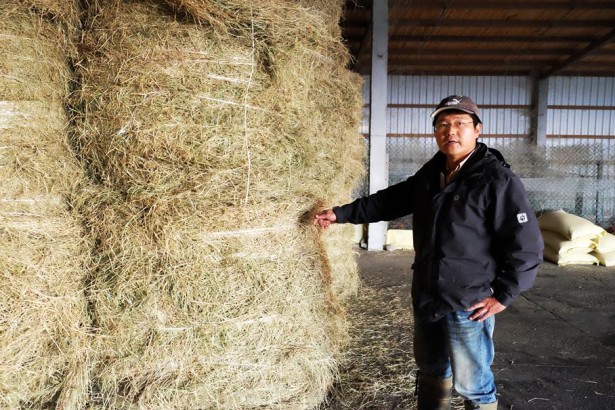
After harvesting, forage needs to be processed promptly. Common methods include sun-drying into hay and making silage. During silage making, lactic acid bacteria fermentation can inhibit the growth of unwanted microorganisms, keep the forage dry and stable, and reduce nutrient loss, making it an important means of preserving forage quality.
High-quality forage is the foundation of modern animal husbandry. The dairy industry and beef cattle farming have a continuously growing demand for it, and some regions still have supply gaps, so developing forage cultivation is seen as a new opportunity for the industry. In addition to mastering scientific cultivation and feeding techniques, growers should also open up sales channels in advance and keep an eye on changes in irrigation water and other aspects to reduce business risks.
Related Reading