Do Bananas Have Seeds? Why Store-Bought Bananas Are Seedless and How They Reproduce
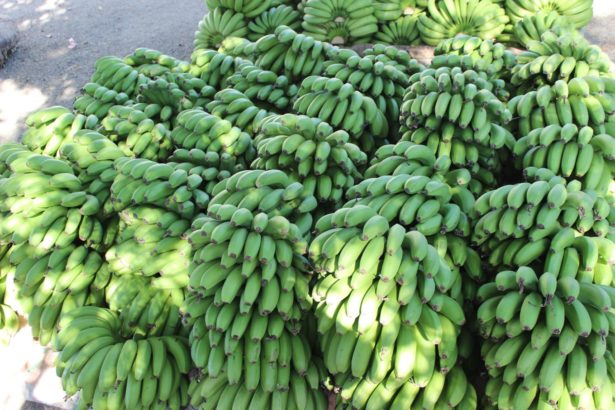
Store-bought bananas hardly ever contain seeds, but strictly speaking, the banana is a plant that does produce seeds. In the wild, banana fruits contain many large, hard black seeds, while the flesh itself is rather scant. The seedless bananas we eat today are the result of long-term selective breeding by humans.
Most banana varieties widely cultivated today are triploid plants. Their meiosis does not proceed normally, so they cannot form viable pollen or embryo sacs, which makes it difficult for seeds to develop and mature. The ring of small brown dots commonly seen in the center of the flesh is in fact the trace of seeds that failed to develop, and it cannot be used for sowing or germination.
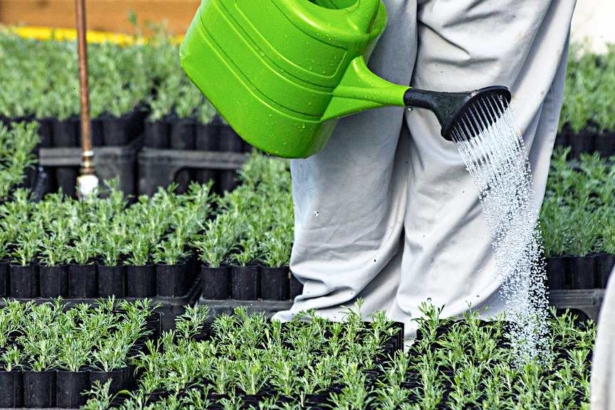
Since seeds are of no use, bananas are mainly propagated asexually in production. Banana farmers often use the suckers that sprout from the base of the plant for division and seedling raising, and healthy seedlings can also be produced in bulk through tissue culture techniques. Asexual propagation reliably maintains the characteristics of the variety, keeping the size and flavor of the fruit consistent.
Although wild bananas have many seeds and little flesh, they preserve rich genetic diversity and hold potential value for disease-resistant breeding and variety improvement. For consumers, there is no need to worry about seeds in the bananas they buy day to day; they can be peeled and eaten directly.
Related Reading