Pak Choi Grows Fast and Tastes Tender: Master the Key Growing Points to Grow It More Easily
Pak choi is the collective name for leafy vegetables of the genus Brassica in the cruciferous family, usually referring to the young, tender baby bok choy harvested for eating; in many places it is also called chicken-feather greens or baby rapeseed. Its leaves are tender and plump with a fresh green color, and its growing cycle is short: from sowing to harvest generally takes only twenty days to about a month, making it one of the most common green leafy vegetables on everyday dinner tables.
There are quite a few common pak choi varieties. By leaf shape they are divided into round-leaf and pointed-leaf types, and heat-tolerant and cold-tolerant varieties each have their own strengths. For summer planting, it is best to choose heat-tolerant, disease-resistant types, while for autumn and winter, varieties with better cold tolerance are suitable; by planting them in combination, you can eat fresh greens all year round.
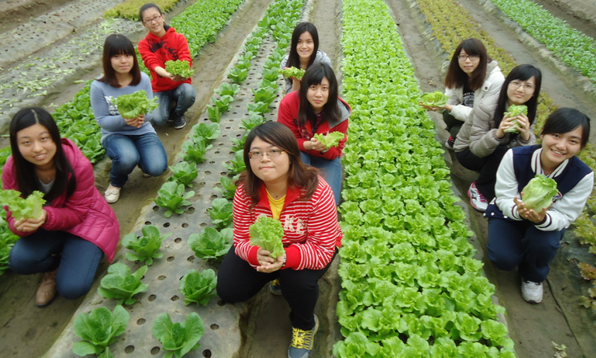
Pak choi prefers a cool, moist climate, but it adapts to a fairly wide temperature range and can be grown both in the vegetable garden and in flower pots on the balcony. It is mostly direct-sown: scatter the seeds in loose, moist soil, thin the seedlings in time after they emerge, keep the soil alternately dry and moist, and keep up with water and nutrients so the seedlings grow strong. During the growing period, watch out for aphids and cabbage caterpillars, and deal with them promptly once found so the leaves are not chewed up.
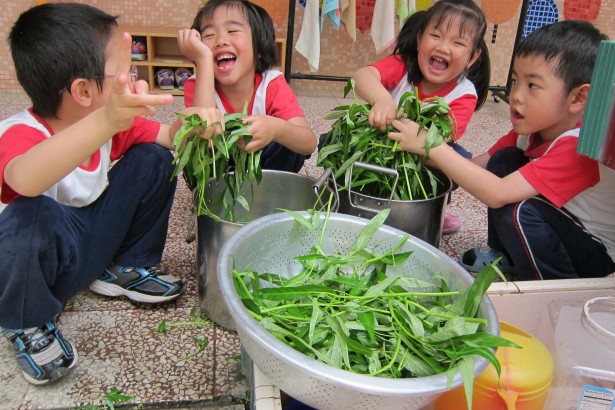
Pak choi contains vitamins, calcium and dietary fiber, and is low in calories; it is well suited to stir-frying, soup-making and use as a filling. It grows fast and takes up little space, making it suitable for home sowing in small amounts at frequent intervals, harvesting as you eat, fresh and effortless.
Related Reading