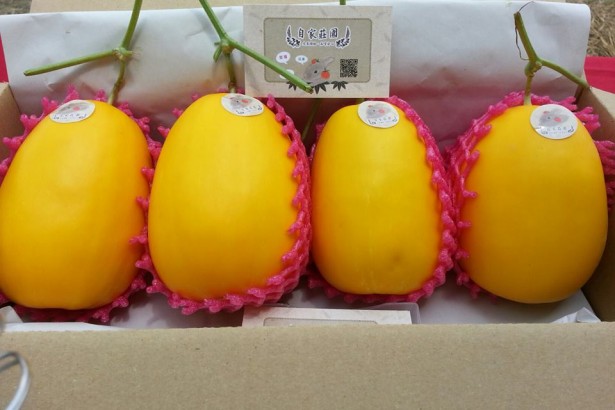
A Complete Guide to Melon Cultivation Techniques to Help You Grow High-Quality Sweet Melons
Melon cultivation techniques refer to a complete set of planting and management methods covering melons from seed selection and seedling raising to harvest and marketing, including land preparation, sowing, water and fertilizer management, pruning and pest and disease control. Whether cultivation management is done properly directly affects the fruit-setting rate, sweetness and market appearance of melons.
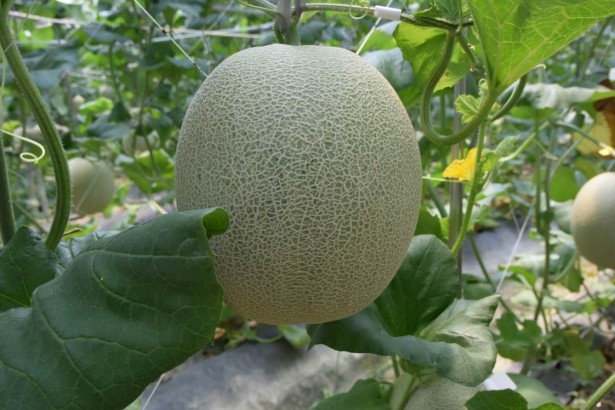
There are many types of melons. The common thin-skinned melon is the traditional melon, with thin skin that can be eaten together with the flesh; the muskmelon has a larger fruit shape, while the netted melon has clear netting on its surface, an attractive appearance and good storage and transport tolerance; yellow-skinned small-fruited local varieties such as the pear melon also each have suitable growing regions and consumer markets. When selecting seeds, local climate, soil conditions and sales direction should be considered comprehensively.
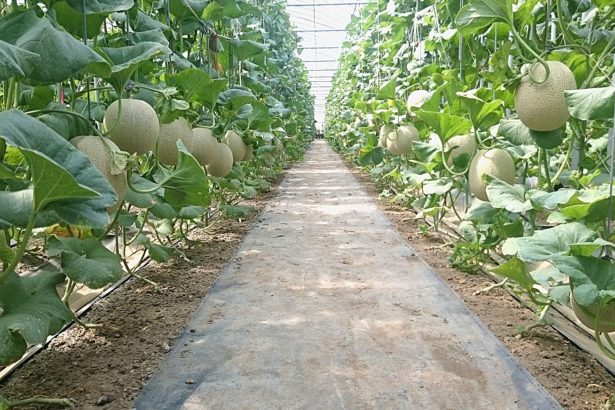
In production, seedling raising and transplanting are mostly used, though direct sowing is also possible. Before planting, the land should be deeply plowed and prepared, and sufficient base fertilizer should be applied, with high ridges made or plastic mulch laid, which helps raise soil temperature and maintain soil moisture. During the vine-growing stage, pay attention to controlling water to prevent excessive vegetative growth; during the flowering and fruit-setting stage, appropriately reduce nitrogen fertilizer, and increasing phosphorus and potassium fertilizer helps sugar accumulation. Pruning and fruit retention are key steps; generally, strong secondary vines are kept for fruit setting, and excess side branches are removed in time so that nutrients are concentrated in supplying the fruit.
During the melon growing period, common pests and diseases include powdery mildew, downy mildew, gummy stem blight, as well as aphids and whiteflies. Prevention should be the main approach, with attention to ventilation and humidity reduction, reasonable crop rotation, and timely handling of diseased plants. Too much watering before the fruit ripens, or alternating drought and moisture, can easily cause fruit cracking and a decline in sweetness, so water should be gradually controlled as harvest approaches. The fruit can be harvested when the rind shows the variety's inherent color, the fruit stalk softens and a fragrance is given off; harvesting too early results in insufficient flavor, while harvesting too late makes the fruit less tolerant of storage and transport.
Related Reading