Is a Rice Field Frog a Frog? One Article to Clearly Explain the Difference Between Rice Field Frogs and Frogs
Rice field frog is a folk common name for frogs in the fields, and in most regions it specifically refers to the tiger frog (Hoplobatrachus rugulosus), though some people use it broadly for frogs active in rice paddies. So strictly speaking, the rice field frog can be counted as a type of frog, but it is not a formal biological name; rather, it is a customary regional term. In terms of classification, rice field frogs and common frogs both belong to the frog group and have similar habits.
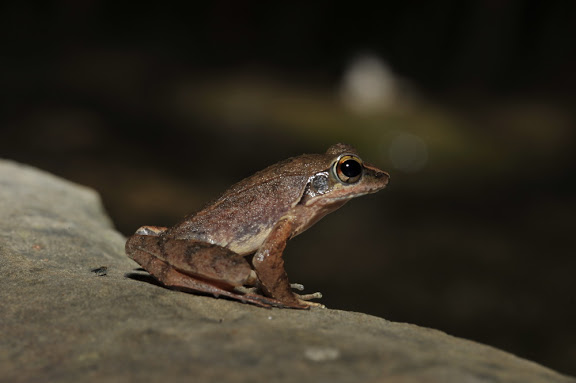
In appearance, rice field frogs are usually larger than the common black-spotted frog (Pelophylax nigromaculatus), with rougher skin, longitudinal skin ridges and warts on the back, good at jumping, and often lurking near paddy fields and ditches to prey on insects. Common frogs mostly refer to species such as the black-spotted frog, with relatively smooth body surfaces and obvious black spots on the sides of the body. When the two are compared side by side, the differences in individual size and skin features are relatively easy to identify.
Besides frogs, rice field frogs are also easily confused with stone frogs and toads. Stone frogs mostly inhabit mountain streams and among rocks, with a stout build; toads have rough, warty skin, move slowly, and are more active on land. The three have their own characteristics in habitat environment and appearance, and by observing their living places and skin condition, they can be roughly distinguished.
Rice field frog meat is tender, and it has long been a traditional ingredient in some regions of the south. Now artificial breeding technology is relatively mature, and for consumption one should choose legal farmed sources. It should be noted that the wild tiger frog is a national second-class protected animal, and casually catching or trading wild individuals will violate the law. In addition, frogs are expert insect catchers in farmland, and protecting field frogs helps reduce insect pests and is very beneficial to the development of ecological agriculture.
Related Reading