What does "boiling a frog in warm water" mean? A detailed explanation of the moral behind it
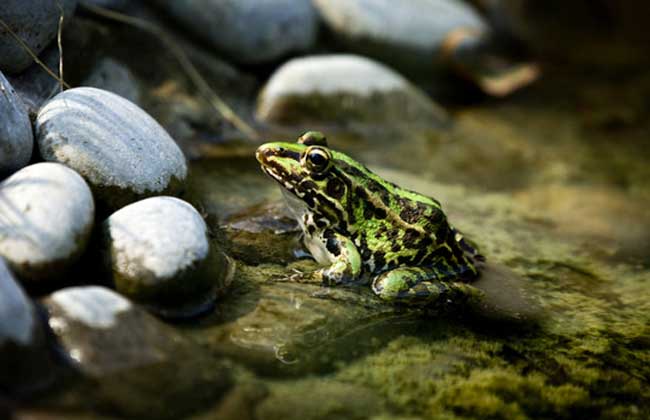
"Boiling a frog in warm water" illustrates the principle of quantitative change turning into qualitative change. It explains that, because of adaptability and habituation to gradual change, one drops one's guard and invites disaster. A sudden, overwhelming enemy often prompts people to produce unexpected defensive results, yet facing a comfortable and satisfying environment often breeds a slackness over small details, and it is the most fatal slackness of all - one does not even know why one died until the very end.
The origin of "boiling a frog in warm water"
“Boiling a frog in warm water” comes from a “boiled frog experiment” conducted by scientists at Cornell University in the United States at the end of the 19th century. When the scientists put a frog into already boiling water, the frog could not bear the sudden high-temperature stimulus and immediately struggled to jump out of the boiling water, successfully escaping. When the researchers first put the frog into a container filled with cold water and then heated it, the result was different: the frog, because the water temperature was comfortable at the beginning, swam about in the water leisurely and at ease. When the frog found that it could no longer endure the high temperature, its will was there but its strength was not, and it was unknowingly boiled to death in the hot water.
The meaning of "boiling a frog in warm water"
In a comfortable environment, a person is easily bewitched by the surrounding environment, which ultimately leads to depression, indulgence and degeneration. Because this process is a change bit by bit, it lets a person complete the entire transformation without noticing, and by the time one wakes up it is already too late. On the contrary, if a person is suddenly thrown from “heaven” into “hell”, because the drop is so great, the person's reaction is also very strong, and thus one quickly makes a choice, so that in the end one does not fail to know how one died.
The moral of "boiling a frog in warm water"
1. Changes in the larger environment can determine your success or failure. Changes in the larger environment are sometimes invisible, so we must always pay attention, learn more, stay more alert, and welcome change.
2. A very comfortable environment often contains danger. A habitual way of life may be the most threatening to you. To change all this, the only way is to keep innovating and break the old patterns.
3. Once you sense a small change in the trend, you must “stop” and think from different angles, and learning is the best way to discover change.