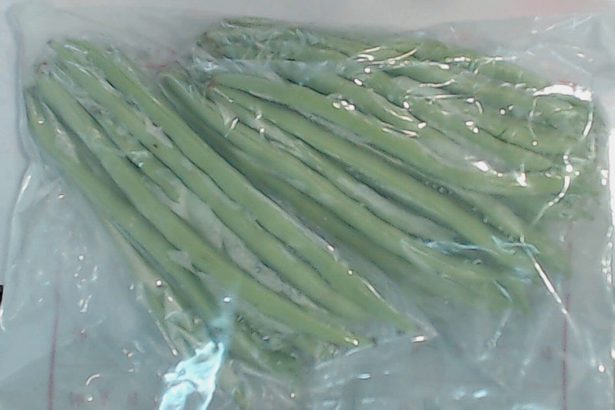
Green beans are best planted in the warm season with enhanced water and fertilizer management
Green beans, also known as common beans or kidney beans, are annual twining herbaceous plants of the genus Phaseolus in the legume family. The tender pods are the edible part, and they are widely cultivated around the world. The pods are slender and rounded, mostly green, though there are also yellow and purple varieties. They have a crisp and tender texture and are a common legume vegetable on the dining table.
Green beans prefer a warm climate and cannot tolerate frost. Both seed germination and plant growth require relatively high temperatures, so they are mostly planted during the frost-free period. Sowing after spring temperatures steadily warm up is the most common practice, and in some warm regions they can also be sown in autumn. When planting, choose loose, fertile soil with good drainage, apply sufficient base fertilizer before sowing, set up trellises in time to guide the vines after seedlings emerge, maintain balanced water supply during the growing period, and appropriate foliar topdressing can help increase pod production to some extent.
Many people confuse green beans with yardlong beans when purchasing. In a broad sense, yardlong bean is a general term for the tender pods of various edible legumes, but in everyday usage it usually refers to the cowpea, whose pods are slender and hang downward, with a length clearly exceeding that of green beans. The two differ in plant morphology, pod appearance and common cooking methods, and can be roughly distinguished by pod shape alone.
Special attention must be paid to safety when eating green beans. Uncooked green beans contain natural substances such as saponins, which may irritate the stomach and intestines, so they must be thoroughly heated until fully cooked before eating. When purchasing, it is recommended to choose fresh, tender pods without disease spots through proper channels, wash them thoroughly before eating, and cook them as soon as possible after buying to balance nutrition and flavor.
Related Reading