What's the difference between green beans and long beans? An easy guide to telling them apart
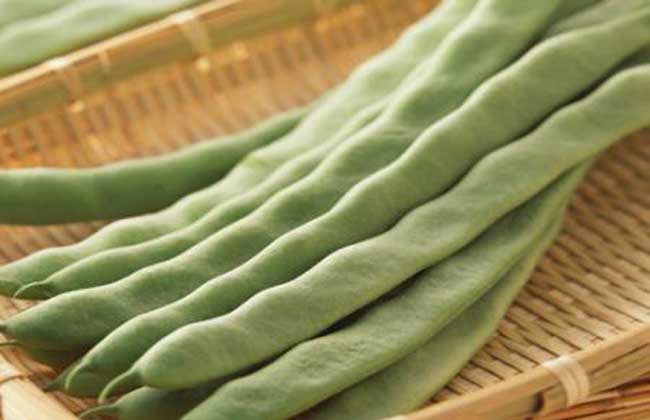
With all the different hyacinth beans, cowpeas, green beans and so on at the vegetable market, can you tell them apart, or do you just lump them all together under the name "long beans"? What exactly are the differences between them? Let's take a look below at just what sets green beans, long beans and hyacinth beans apart!
What are long beans?
Long beans is a general term for the fruits of various leguminous plants, including common beans, soybeans, cowpeas and others, or specifically refers to cowpeas and common beans. They are a vegetable in abundant supply in summer. They contain various vitamins and minerals. The young pods are thick and fleshy, crisp and tender when stir-fried, and can also be blanched and served cold or pickled. The pods are long and tube-like, crisp in texture yet soft in body, and the two common types are the white long bean and the green long bean.
What are green beans?
Green beans is another name for the common bean, which is a cultivated variety of the common bean species in the Fabaceae family, also known as kidney bean, haricot bean, long bean and so on, and is an annual herbaceous plant. In Quzhou, Zhejiang it is called Qingming bean, in northern China it is called long bean, and in Sichuan it is called green bean, among other names; it is one of the common vegetables on the dining table.
What are hyacinth beans?
Hyacinth beans, also called huolian hyacinth bean, vine bean, fence-following bean, magpie bean, cha bean and moon vegetable, belong to the dicotyledon class. There are also many varieties, such as white hyacinth bean, purple hyacinth bean, oil bean, snake bean and pig's ear bean (shaped like a pig's ear). It is a perennial, twining vine of the hyacinth bean genus in the Fabaceae family. It is a type of leguminous plant. It is cultivated in tropical and subtropical regions around the world. Hyacinth bean flowers come in red and white, and the pods come in green-white, light green, pink or purple-red colours. The young pods are used as a vegetable, while the white flowers and white seeds are used in medicine, helping to dispel summer dampness and pathogenic factors, and having the effect of strengthening the spleen and stopping diarrhoea; hyacinth bean also has a notable effect in reducing tumours.