Analysis of the Causes and Hazards of Water Source Pollution: The Safety of Agricultural Water Cannot Be Ignored
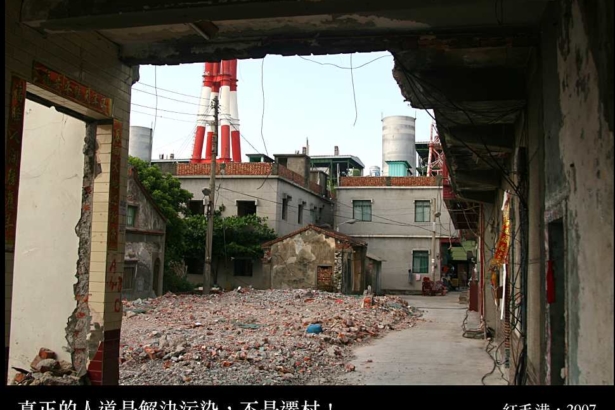
Water source pollution refers to the phenomenon in which water bodies such as rivers, lakes, reservoirs and groundwater have foreign substances introduced into them, causing water quality to deteriorate and making the water unable to meet uses such as drinking, irrigation or aquaculture. Pollution sources include not only industrial wastewater and domestic sewage, but also agricultural return flow, livestock and poultry farming waste, and the runoff of pesticides and chemical fertilizers. For regions with agriculture as their foundation, once a water source is contaminated, the impact often extends from irrigation all the way to crops, soil and even food safety on the dining table.
By nature, water source pollution can be roughly classified into three categories: chemical, biological and physical. Chemical pollution such as heavy metals, pesticide residues and electroplating wastewater may accumulate in soil and crops over the long term even at low concentrations; biological pollution mostly comes from manure and sewage that have not been properly treated, and readily carries pathogenic bacteria; physical pollution involves factors such as suspended solids and thermal discharge that alter the state of the water body.
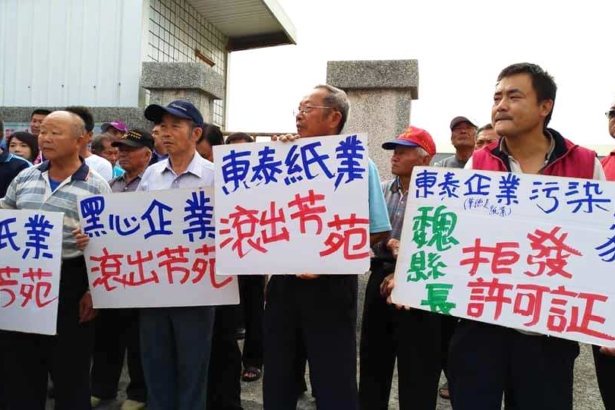
After pollutants enter an irrigation system, they may cause farmland acidification, salinization or heavy metal accumulation, leading to reduced crop yields or even making crops unfit for consumption, and livestock, poultry and aquaculture are likewise affected. In recent years, controversies in various places such as factory wastewater being discharged into farmland and banned pesticides still flowing into aquaculture environments all show that water source pollution is closely related to agricultural production and residents' health, and it has often become a flashpoint for environmental protests.
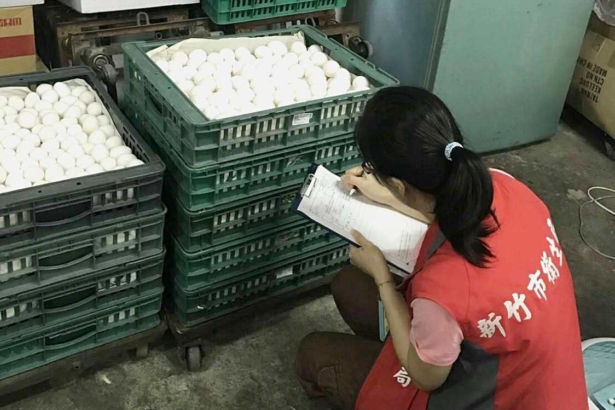
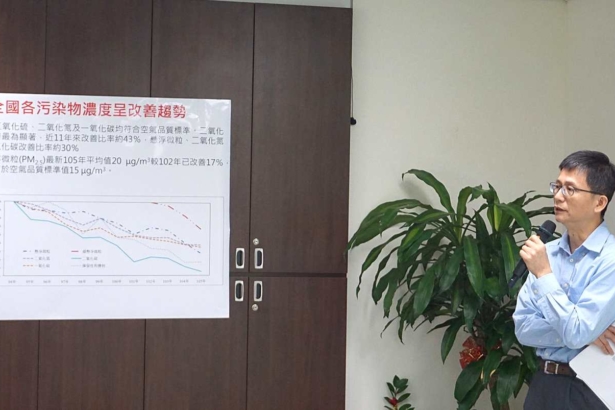
In terms of prevention and control, source management is most critical, including requiring factories to properly treat wastewater, eliminating the circulation of banned substances, strengthening the treatment of waste from livestock farms, and establishing regular monitoring mechanisms for irrigation water quality and soil. For farmers, paying attention to whether irrigation water shows unusual color or odor, sending water and soil for testing when necessary, and choosing qualified materials are all self-protective practices that reduce risk. Only when both the discharge end and the use end exercise control together can the safety of farmland and the dining table be safeguarded.
Related Reading