A Complete Guide to Pesticide Knowledge: From Classification to Safe Use at a Glance
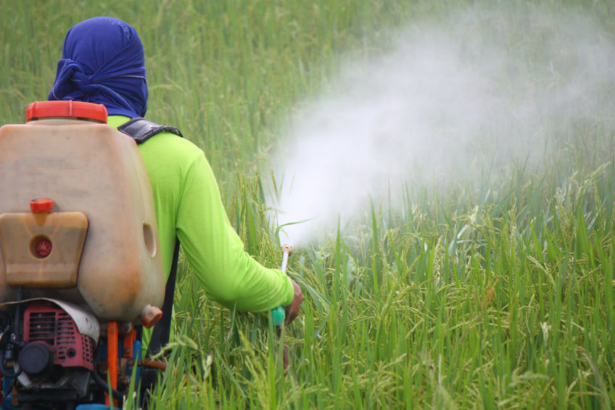
Pesticides are the general term for agents used to control crop diseases, insect pests, and weeds, or to regulate plant growth. Common categories include insecticides, fungicides, herbicides, acaricides, and plant growth regulators. Their main function is to protect crops from damage by diseases, pests, and weeds, stabilizing yield and quality, making them an important production input in modern agriculture.
By origin, they can be divided into two major categories: chemical pesticides and biological pesticides. The former are mainly based on chemically synthesized ingredients, while the latter are made using microorganisms or natural extracts. Depending on the formulation, there are also forms such as emulsifiable concentrates, wettable powders, suspension concentrates, and granules, with application methods covering spraying, broadcasting, soil treatment, and seed treatment.
Safe use is the core of pesticide knowledge. Before applying, read the product label in detail, follow the approved scope of use, dilution ratio, and number of applications, and observe the pre-harvest interval to avoid harvesting while the pesticide has not yet fully dissipated. Excessive or improper use may lead to problems such as excessive residues in agricultural products, environmental pollution, and pests developing resistance.
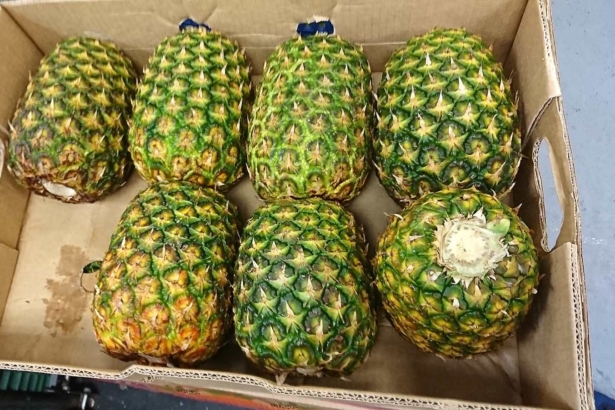
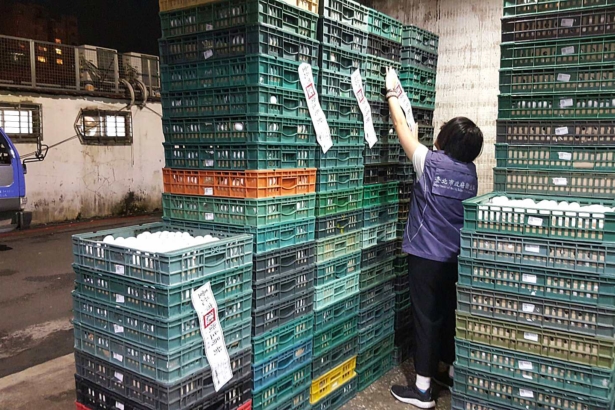
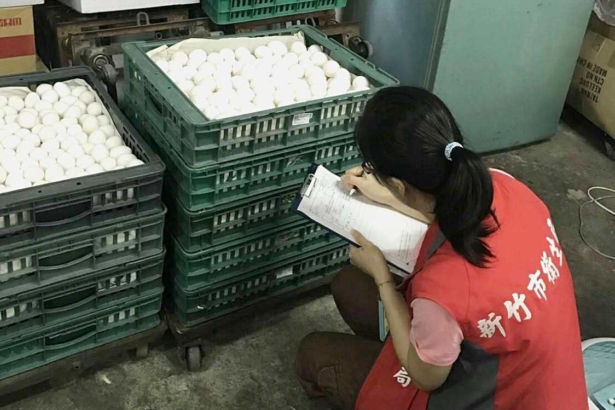
In recent years, regions have continued to strengthen pesticide management, including promoting pesticide reduction, declaring sales and distribution flows, banning or restricting high-risk agents, and strengthening residue testing of agricultural products. For producers, combining crop rotation, physical control, and biological control through integrated management can reduce dependence on pesticides; consumers can reduce risk by washing thoroughly and choosing certified products. Mastering correct pesticide knowledge allows crops to be grown healthily and food to be eaten with peace of mind.
Related Reading