Fermentation Treatment and Cultivation Methods for Growing Mushrooms with Cow Manure
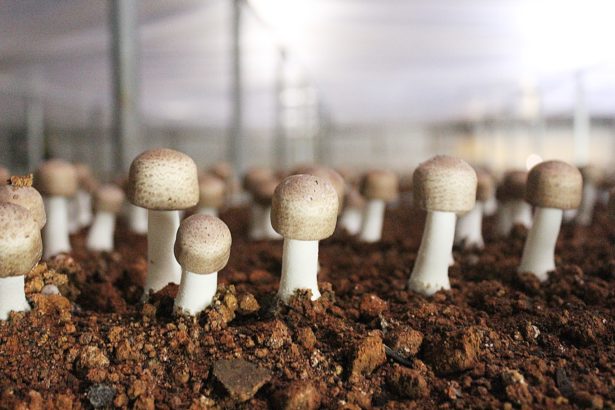
Growing mushrooms with cow manure means using decomposed and fermented cow manure as the main raw material, combined with auxiliary materials such as rice straw and crop stalks to make a growing substrate, for cultivating straw-decomposing edible fungi such as the button mushroom (Agaricus bisporus), the straw mushroom (Volvariella volvacea) and the Brazilian mushroom (Agaricus blazei). Cow manure is comprehensive in nutrients and loose in texture, and after proper treatment it is an ideal growing substrate for these kinds of mushrooms.
The key step in this technique is fermentation. Fresh cow manure cannot be spread directly as a bed and sown; it needs to be mixed with rice straw and other materials and stacked, during which turning the pile raises the material temperature, kills most contaminating microorganisms and insect eggs, and at the same time breaks nutrients down into forms the mycelium can easily absorb. The finished fermented substrate is generally dark brown, soft in texture and free of an obvious ammonia smell, and it should also be disinfected before being brought into the shed, to reduce contamination risks during the later mycelium-running stage.
Management after spawning is equally important. The mushroom house needs to be kept warm and moist with good air circulation; during the mycelium-running stage, diseases caused by high temperature and high humidity must be prevented, while during the fruiting stage, timely watering and ventilation are important. If the mushrooms are not sold immediately after harvesting, measures such as cooling and fresh-keeping can be used to extend storage time and reduce losses.
On the whole, the value of growing mushrooms with cow manure lies in turning waste into a resource. After harmless treatment, the cow manure produced by livestock farms can be used to grow mushrooms, and the remaining spent mushroom substrate can be returned to the fields as fertilizer or used as bedding material, forming a circular model that combines farming and livestock raising. This not only eases the pressure of manure disposal but also lowers cultivation costs, making it a fairly common practice in the resource utilization of agricultural waste.
Related Reading