A Detailed Guide to Wood Ear Mushroom Cultivation: Key Growing Points from Spawn Bag to Harvest
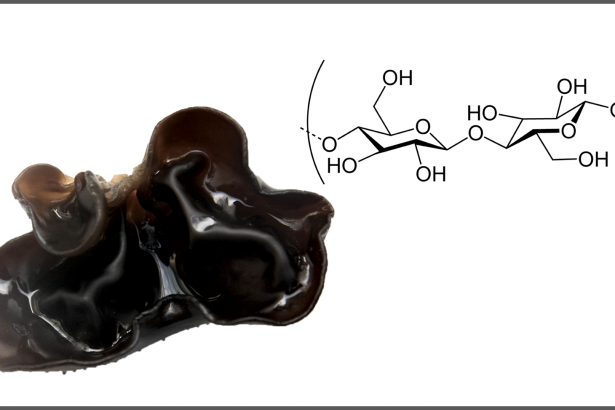
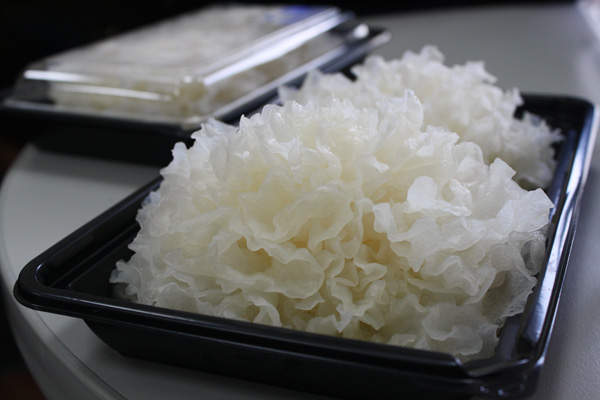
Wood ear mushroom cultivation technology refers to the complete set of methods for producing wood ear mushrooms through artificial cultivation, covering such steps as spawn selection, spawn bag preparation, mycelium incubation management, fruiting body induction and harvesting and drying. Wood ear mushrooms are gelatinous fungi, and the commonly cultivated types include black wood ear, woolly wood ear and white wood ear, also known as silver ear. Different varieties have slightly different requirements for temperature and humidity, so an appropriate spawn should be chosen before planting according to local climate conditions.
Cultivation mostly uses the spawn bag method, with sawdust, cottonseed hulls, bran and similar materials as the main raw materials. After mixing, bagging, sterilization and inoculation, the bags enter the mycelium incubation stage. During incubation, the environment should be kept clean, dark and properly ventilated. Once the mycelium has fully colonized the spawn bag, holes are opened or cuts are made to induce fruiting. The fruiting stage is the key focus of management, requiring relatively high air humidity, which can be raised by spraying or sprinkling water on the ground. At the same time, ventilation and air exchange should be maintained to avoid a stuffy, damp environment that can lead to contamination by competing microorganisms or rotting of the fruiting bodies.
Temperature and light also affect the quality of the fruiting bodies. Most varieties grow better in mild climates, and when summer heat or winter cold occurs, cooling or insulation measures should be taken. Harvesting is generally carried out when the ear flaps have fully expanded but the edges have not yet stretched too far. After harvesting, drying in the sun or with heat promptly can both extend storage time and help improve market quality.
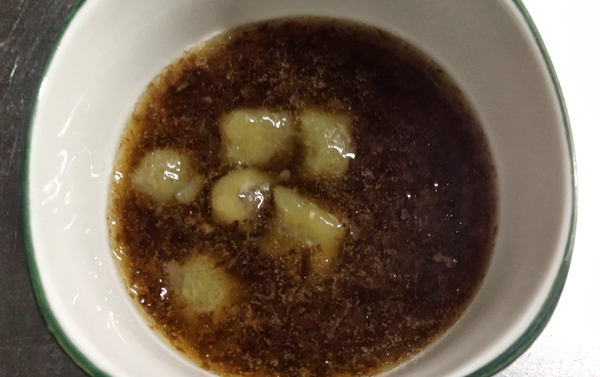
Common problems during cultivation include spawn bag contamination, uneven fruiting and pests and diseases, most of which are related to incomplete sterilization, excessive humidity or inadequate routine sanitation management. Therefore, disinfecting the site and carrying out regular inspections are very important. Wood ear mushrooms are rich in dietary fiber and gelatinous substances and have a crisp, tender texture. In addition to being sold fresh, they can also be processed into products such as wood ear drinks and dried goods. They have a wide range of uses and are suitable as a cultivation project for protected agriculture or courtyard economy.
Related Reading