What Is Longan Aril? A Complete Introduction from Fresh Fruit to Dried Longan
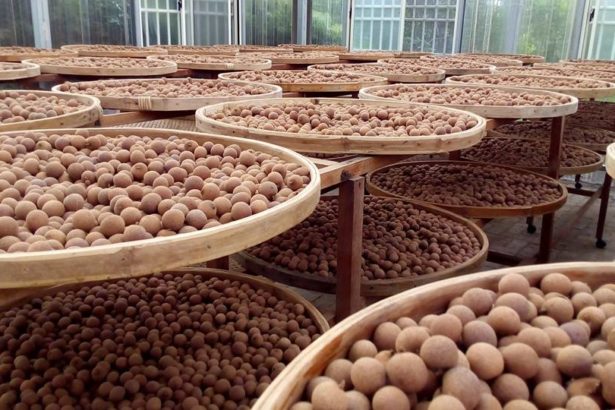
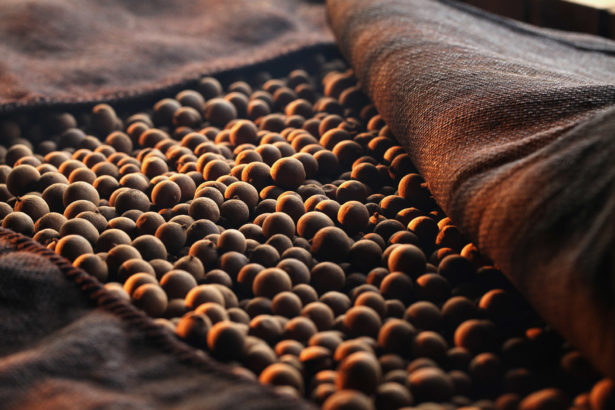
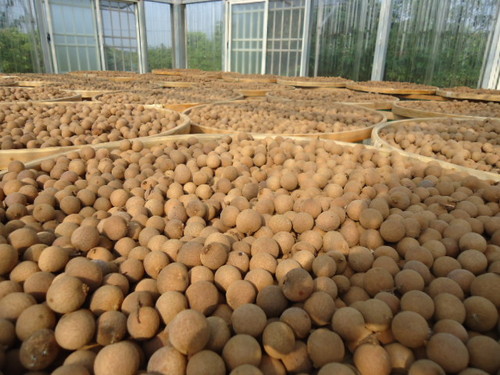
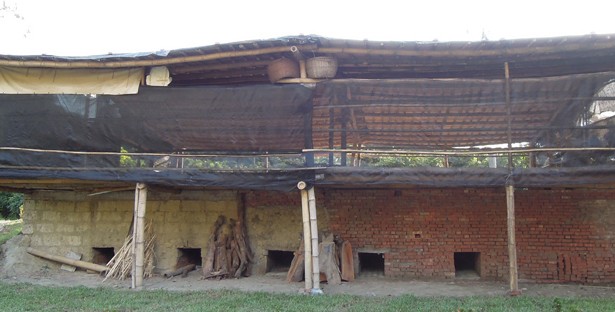
Longan aril refers to the edible portion left after the longan fruit is peeled and its seed removed. Fresh longan aril is translucent and milky white, juicy and sweet, and is a common seasonal fruit in summer. If the fresh aril is dried by sun-drying or baking and then the shell and seed are removed, the amber-colored aril obtained is commonly known as guiyuan rou (dried longan aril). The two actually come from the same fruit; they differ only in processing state.
In terms of taste and characteristics, fresh longan aril has a high water content, a tender texture and a clean, sweet, juicy flavor, but it does not keep well and is best eaten or refrigerated as soon as possible after harvest. After drying, the sweetness of longan aril becomes more concentrated, the texture turns chewy, and the moisture content is low, so it stores well and is better suited for use throughout the year.
In terms of uses, longan aril can be eaten in quite diverse ways. Eating the fresh aril directly is the best way to taste its original flavor; dried longan aril is often used to make sweet soups, brew tea, stew soups or cook congee, and can also be added to pastries to impart a natural sweet fragrance. In folk tradition, dried longan aril is often regarded as a mild food-therapy ingredient and is often eaten together with red dates and the like, but since everyone's constitution is different, it is still advisable to consume it in moderation.
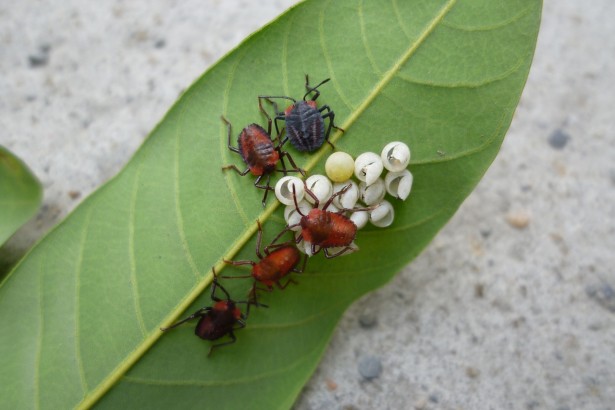
As for selection and storage, when choosing dried longan aril you can pay attention to the degree of dryness, color and smell; good-quality ones should have a natural fruity fragrance, and you should avoid items that are damp, clumped or have an off odor. When storing, seal it and place it in a cool, dry place to prevent moisture, mold or insects. In addition, longan is susceptible to pests such as the lychee stink bug during flowering and fruiting, and the quality of field management affects both the harvest and the quality of the aril, which is also an issue that fruit farmers have paid considerable attention to in recent years.
Related Reading