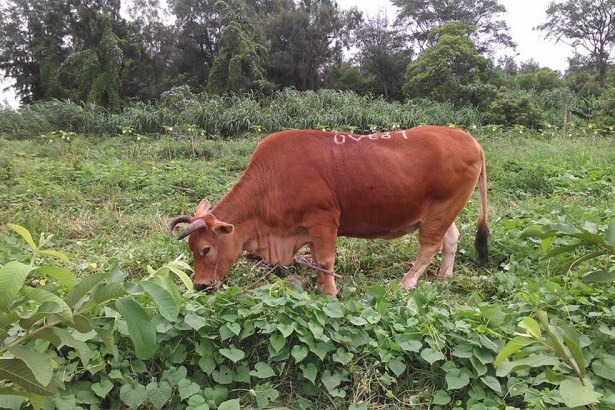
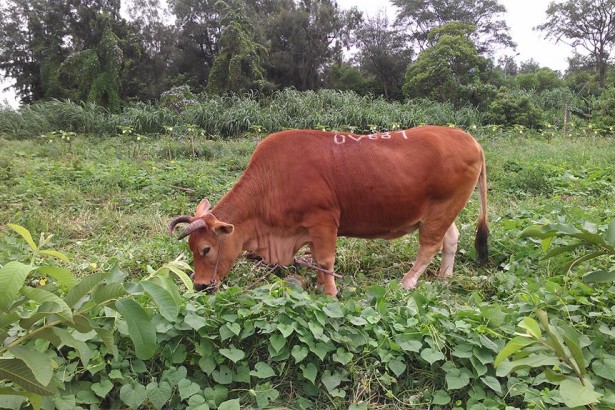
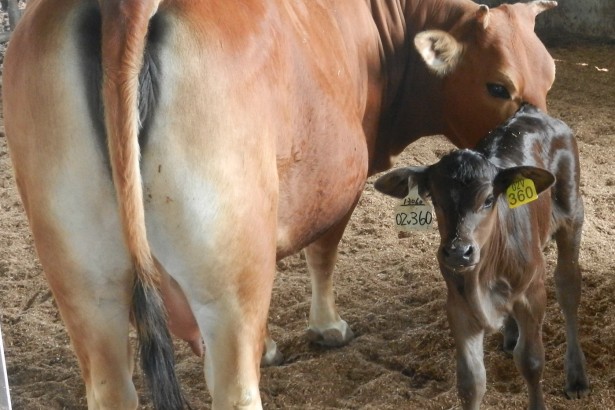
Symptoms of foot-and-mouth disease are obvious: pigs, cattle and sheep develop blisters in the mouth and on the hooves after infection
Foot-and-mouth disease is an acute, febrile, highly contagious infectious disease caused by the foot-and-mouth disease virus. It mainly infects cloven-hoofed animals such as pigs, cattle and sheep; human infection has occasionally been reported but is relatively rare. The disease spreads quickly and can be transmitted through contact with infected animals, contaminated items and the air, and has long been a priority in animal disease prevention and control efforts.
The most typical symptom in infected livestock is the appearance of blisters on the oral mucosa, the hooves and the skin of the udder. After the blisters rupture, erosive lesions form, and affected animals often drool heavily and walk lame, with feeding and movement clearly affected. In the early stage of illness there are also signs such as fever, depression and reduced appetite. Young animals tend to be more severely affected after infection, and the mortality rate is relatively higher.
The symptoms emphasized differ among animal species. In pigs, hoof lesions and lameness predominate, and in severe cases the hoof shell may fall off. In cattle, oral blisters and drooling are more obvious. In sheep, the symptoms are usually milder and easily overlooked, so the hooves and mouth must be examined to find abnormalities. In addition, the foot-and-mouth disease virus has multiple serotypes, and cross-protection between serotypes is limited, so prevention and control require selecting the appropriate vaccine based on the locally circulating strains.
If abnormal signs such as drooling, lameness or hoof ulceration are found in livestock on a farm, the animals should be isolated promptly and the local animal health supervision agency should be notified. Do not handle the situation on your own or transport live animals or their products. Routine disinfection, vaccination and quarantine of introduced breeding stock are key measures for preventing foot-and-mouth disease and maintaining disease-free status.
Related reading