How to Treat Foot-and-Mouth Disease in Sheep? Detailed Treatment Methods
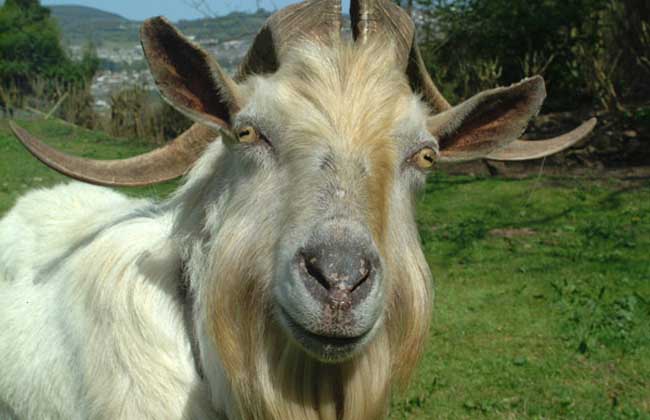
Foot-and-mouth disease in sheep is commonly known among the public as mouth sores, hoof gangrene, and so on. It is an acute, febrile, highly contagious disease caused by the foot-and-mouth disease virus that affects even-toed ungulates. Its clinical features are blisters and ulcers on the oral mucosa, hooves, and udders of affected animals. Both goats and sheep can contract this disease, and it can sometimes also be transmitted to humans. Let us take a look below at how to treat foot-and-mouth disease in sheep!
Symptoms
The incubation period of the disease in sheep and goats is 1 to 7 days, with an average of 2 to 4 days. The main symptoms are elevated body temperature, complete loss of appetite, depression, and lameness. Blisters in the mouth mostly occur on the oral membrane, while blisters on the tongue are rare. Oral lesions are more common in goats than in sheep, and blisters mostly occur on the hard palate and the surface of the tongue. Ewes often miscarry. The blisters on the hooves are small and not as obvious as in cattle.
Routes of Transmission
The main source of infection for foot-and-mouth disease in sheep is infected livestock, followed by virus-carrying wild animals (such as Mongolian gazelles). It is mainly transmitted through the digestive tract and respiratory tract, and can also be transmitted through the conjunctiva of the eye, nasal mucosa, teats, and skin wounds. If humans or healthy sheep come into contact with the saliva, blister fluid, or milk of infected animals, they may all become infected and develop the disease. Dogs, cats, rats, blood-sucking insects, and people's clothes and shoes can also spread this disease. In dairy goats, lesions can sometimes be seen on the teats, and milk production decreases. Nursing lambs are especially susceptible to the disease, mostly developing hemorrhagic gastroenteritis, and may also develop malignant foot-and-mouth disease, dying from acute cardiac paralysis, with a mortality rate of up to 20 to 50%.
Preventive Measures
1. In disease-free areas, it is strictly forbidden to introduce animals, animal products, feed, biological products, and so on from countries or regions with the disease. Animals and their products from disease-free areas should also be quarantined. When positive animals are detected, the entire herd of animals shall be destroyed, and contaminated items such as transport vehicles and animal waste shall be disinfected on the spot.
2. Once an outbreak occurs in a foot-and-mouth disease-free area, decisive measures shall be taken to cull and destroy all infected animals and animals in the same herd, and the contaminated environment shall be strictly and thoroughly disinfected.
3. In foot-and-mouth disease-endemic areas, immunization shall be maintained, using foot-and-mouth disease attenuated vaccines or inactivated vaccines of the same type as the locally prevalent virus strain to vaccinate animals. Because attenuated vaccines for cattle and sheep may cause disease in pigs and have poor safety, foot-and-mouth disease inactivated vaccines have now been adopted instead.
4. When foot-and-mouth disease occurs in an animal herd, the epidemic situation shall be reported immediately, the diagnosis shall be confirmed, epidemic points, epidemic areas, and threatened areas shall be delineated, isolation and blockade measures shall be implemented, and emergency immunization shall be carried out for animals that have not yet developed the disease in the epidemic areas and threatened areas.
Treatment Methods
1. For sick sheep, care should first be strengthened. For example, the pen and shed should be dry, ventilation should be good, soft feed (such as green grass, flour soup, rice soup, and so on) and clean drinking water should be provided, and the pen and shed should be disinfected frequently.
2. For oral lesions, wash the mouth with 0.1 to 0.2% potassium permanganate, 0.2% formalin, 2 to 3% alum, or 2% to 3% acetic acid (or vinegar), then apply iodine glycerin or 1 to 3% copper sulfate to the ulcerated surface, or sprinkle Bingpeng San.
3. For hoof lesions, soak the hooves in 3% creolin, 3% cresol soap solution, 1% formalin, or 3% to 5% copper sulfate. Disinfectant ointment (such as 1:1 wood tar and vaseline) or 10% iodine tincture can also be applied, and then wrapped with a bandage. It is best not to wash the hooves too much, because moisture can hinder recovery.
4. For udder lesions, milk should be squeezed carefully, the teats should be washed with 2 to 3% boric acid water, and then a disinfectant ointment should be applied.
5. Malignant foot-and-mouth disease: For sheep with malignant foot-and-mouth disease, special attention should be paid to maintaining cardiac function, and cardiotonic agents and glucose injection should be used promptly. To prevent and treat secondary infections, penicillin can also be injected intramuscularly. Oral crystalline camphor, 1 gram each time, twice a day, has a good effect and also helps prevent progression to malignant foot-and-mouth disease.