Kinmen cattle A-type foot-and-mouth disease outbreak puts pig industry on alert; China's experience shows breeding pigs are susceptible to this type of virus
Text by Upstream & Downstream reporters Wang Wen-hao and Pan Zi-qi
Cattle in Kinmen (Kinmen, China) have been infected with the first case of type A foot-and-mouth disease (FMD) virus seen in the country, and the Bureau of Animal and Plant Health Inspection and Quarantine (BAPHIQ) of the Council of Agriculture (COA) has instructed the Kinmen County Animal and Plant Disease Control Center to cull 176 cattle on the infected farm. At the same time, the Animal Health Research Institute compared the type A FMD virus from the Kinmen cattle with the type A FMD virus from pigs that broke out in Maoming, Guangdong, China in 2013, and the genetic similarity is as high as 99%.
Because the type A FMD virus in Guangdong pigs tends to occur in breeding sows or gilts, and during the diagnosis of type A FMD in Kinmen cattle, another 90 live breeding sows culled in Kinmen were sent to Taiwan for slaughter, scholars are urging the COA to expand the scope of virus surveillance, strengthening surveillance of all cloven-hoofed animals across Kinmen, especially pigs.
In addition, since live breeding sows culled in Kinmen had previously been shipped to Taiwan, scholars also suggest strengthening follow-up traceability and monitoring of the subsequent meat, to avoid type A FMD virus entering Taiwan and becoming established, repeating the painful lesson of 1997 when foot-and-mouth disease in pigs directly or indirectly dealt a severe blow to the economy of nearly NT$200 billion.
Type A FMD virus in Kinmen cattle: breeding sows suspected to be more susceptible
Analysis by the Livestock Research Institute of the COA shows that the type A FMD virus infecting the Kinmen cattle is highly homologous to the type A FMD virus in pigs that broke out in Guangdong in 2013, and it is presumed the virus most likely came from China. According to Chinese media reports, this strain was first discovered in Maoming City, Guangdong Province, China in February 2013, when an outbreak of foot-and-mouth disease occurred at a pig farm with 948 pigs.
What was unusual was that the farm had a total of 118 breeding sows, kept in 6 separate pens, and only 88 breeding sows showed clinical symptoms, while the other 30 breeding sows and 830 piglets, growing pigs and large commercial pigs showed no symptoms. Unlike type O FMD, which infects all cloven-hoofed animals of every age, breed and sex, the FMD outbreak in Maoming, Guangdong infected only breeding sows.
After diagnosis by China's "National Foot-and-Mouth Disease Reference Laboratory," it was confirmed as type A FMD. After testing and analysis of the virus, its genotype was about 97% similar to type A FMD virus strains circulating in Southeast Asian countries, while similarity to type A FMD virus strains that circulated in China in different periods in the past was only 76% to 93%. Chinese agricultural research units speculate that this strain was introduced from abroad, rather than being an evolved mutation of the type A FMD virus strains that had previously circulated in mainland China.
By July of the same year, China had reported at least 11 cases of type A FMD in pigs to the World Organisation for Animal Health (OIE), mostly occurring in breeding sows or gilts at pig farms in Guangdong and Guangxi provinces. These breeding sows or gilts had been vaccinated with type O FMD vaccine, but afterwards still showed FMD symptoms such as pigs limping and bleeding erosions on the coronary band, and in severe cases even blisters on the snout and udder of sows, showing that the type O FMD vaccine has no cross-protection against type A FMD virus.
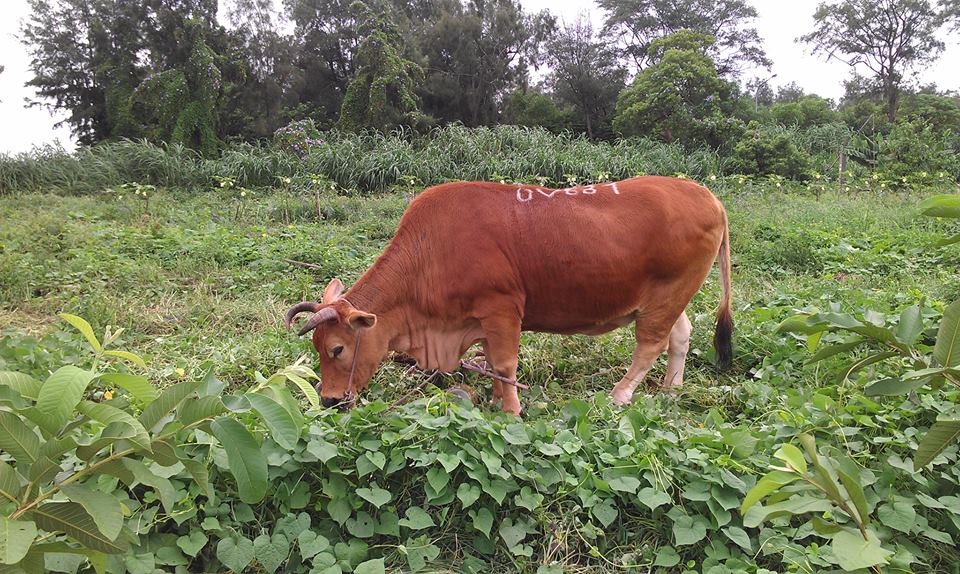


Yang Ping-cheng, vice president of the Agricultural Technology Research Institute, said that FMD virus can persist in the throat of cattle for 9 months, but in pigs the incubation period is only 1 to 2 days, so if the culled breeding sows shipped from Kinmen to Taiwan had been infected, there should have been immediate news. As for the source of the type A FMD virus in the Kinmen cattle this time, China may be one of the sources, and further nucleic acid analysis is needed.
He said that BAPHIQ has already ordered Kinmen disease control units to carry out preventive culling at the infected farm, and that the 62 cloven-hoofed animal farms within a 1-km radius of the index farm (11 pig farms, 37 cattle farms and 14 sheep farms) have completed clinical visits by the Kinmen disease control center, with the animals in good health and no abnormalities found. The center will also further expand the scope of surrounding visits to clarify whether there are signs of the disease spreading.
He stressed that if the type A FMD outbreak is to be controlled, culling remains the main approach at this stage, because after vaccination the animal body produces viral antibodies, and during animal surveillance it is impossible to distinguish whether the antibodies come from infection or from vaccination, so using vaccines is a last resort.