Poultry Farming Techniques: A Practical Guide from Feeding Management to Disease Prevention and Control
Poultry farming techniques refer to a complete set of feeding and management methods built around poultry such as chickens, ducks and geese, covering breed selection, brooding and warmth keeping, feed formulation, daily care and disease prevention and control. If farmers can link these steps together properly, the flock will grow healthily and egg or meat production will be more stable.
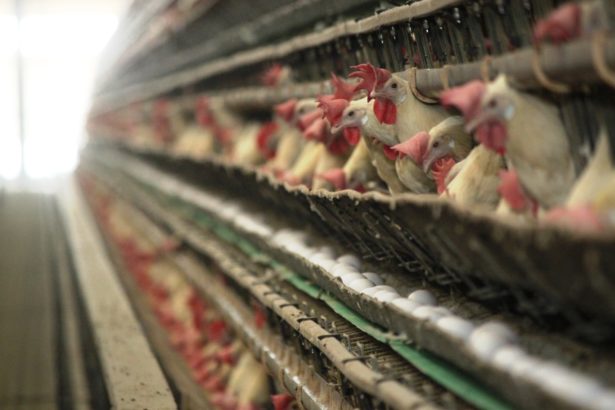
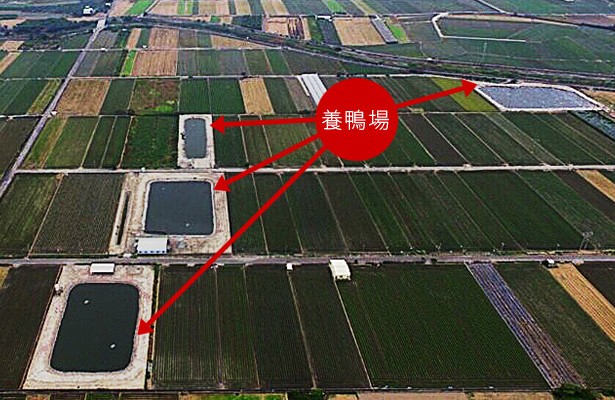
By rearing method, poultry farming can be broadly divided into open free-range, semi-open housed and closed environmentally controlled farming. Open farming requires lower investment and gives poultry more room to move, but it also brings more chances of contact with wild birds and external pathogens; closed poultry houses, by contrast, block out external pathogens by controlling temperature, humidity, ventilation and lighting, and are being adopted by more and more poultry farmers in areas under heavy disease-control pressure.
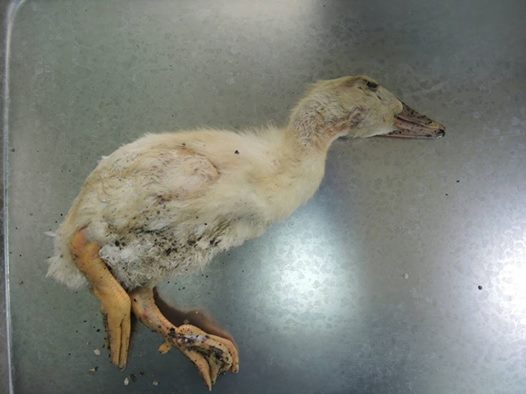
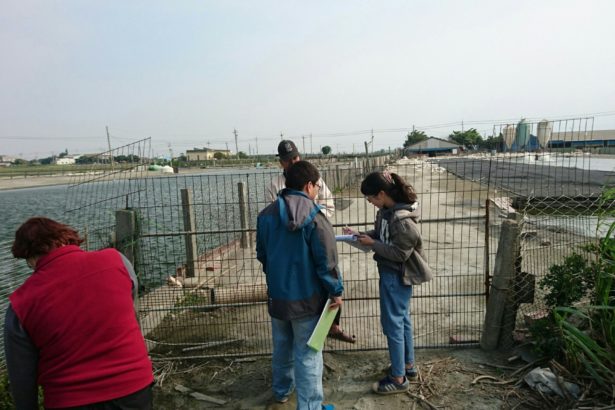
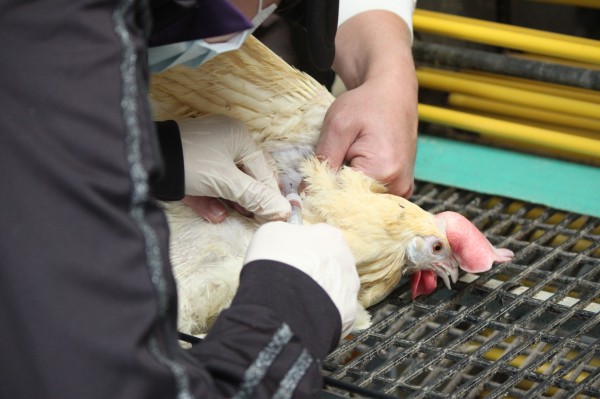
Disease prevention and control is the core of poultry farming techniques. Highly contagious diseases such as avian influenza pose a great threat to the poultry industry, and farms must implement biosecurity measures, including disinfection of people and vehicles entering and leaving, preventing wild birds from approaching poultry houses, vaccinating on schedule and paying close attention to the state of the flock. Once abnormal deaths or a sudden drop in egg production are found, the local animal disease control authorities should be notified as soon as possible, and the birds must never be handled or sold privately.
Medication management is equally important. Therapeutic and preventive drugs must comply with the specified withdrawal period, and agents prohibited for use in poultry must not be given to laying hens, otherwise drug residues may enter the market with eggs, harming consumer health while the farmer is also penalised.
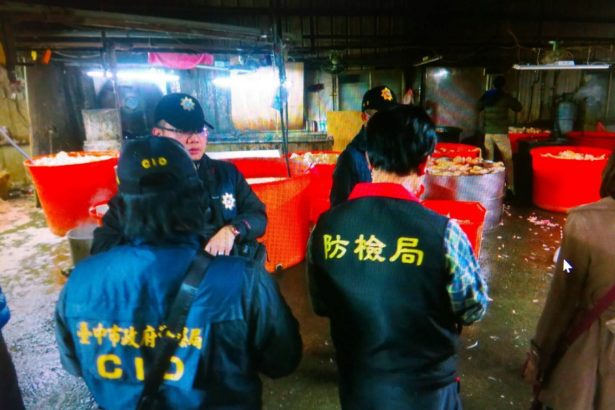
In addition, the sale and slaughter of poultry should, in accordance with regulations, be handled at licensed slaughterhouses to prevent privately slaughtered poultry meat from entering the market. Only by combining feeding management, biosecurity and regulatory compliance is poultry farming technique complete and sustainable.
Related reading