Cauliflower Growing Techniques Determine Curd Quality and Yield
Cauliflower, also known as cauliflower or broccoli, is a cruciferous vegetable of the cabbage group, with the pure white, firm curd as its edible part. Its growing techniques run through the whole process from seed selection, seedling raising, and transplanting to field management and harvest, with each step linked to the next and directly affecting the quality and yield of the curd.
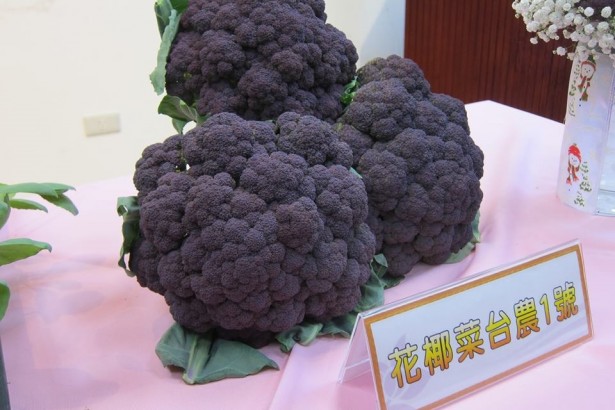
Before planting, you must first choose a suitable variety according to the local climate and growing season. Cauliflower can be divided by maturity into early-maturing, mid-maturing and late-maturing types; the most common curd color is white, and there are also specialty varieties with purple, orange-yellow and other colors. Different varieties have different sensitivity to temperature, and improper sowing schedule can easily lead to problems such as premature flowering or loose curds.
At the seedling stage, choose a loose, fertile seedbed; after sowing, keep the soil moist, thin the seedlings and harden them off in time, and grow strong seedlings with thick stems. When the seedlings reach a certain leaf age, they can be transplanted and set out; the planting density should balance ventilation, light penetration and land use efficiency, generally with row spacing slightly wider than plant spacing, adjusted flexibly according to the variety's growth vigor.
The key to field management lies in regulating water and fertilizer. Before the rosette stage, control water appropriately to promote rooting; during curd enlargement, the water demand is high, so keep the soil alternately dry and moist, and supplement nutrients with topdressing. To make the curd pure white and firm, white varieties can be softened by tying or bending the leaves over for shading after the curd emerges, while also paying attention to intertillage and weeding.
Common problems in production include loose curds, purpling, hairy curds, as well as damage from cabbage caterpillars and aphids and diseases such as black rot and downy mildew; these are mostly related to temperature fluctuations, imbalanced water and fertilizer, or delayed control, and need to be prevented in advance. When the curd has grown fully and its surface is firm and smooth, it can be harvested in batches; harvesting too early affects yield, while harvesting too late makes the curd prone to opening up and reduces its market quality.
Related Reading