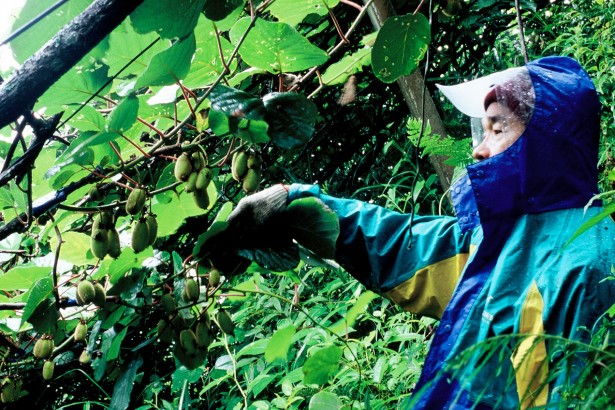
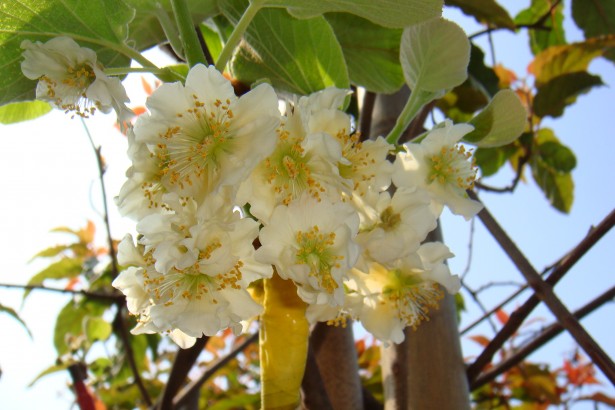
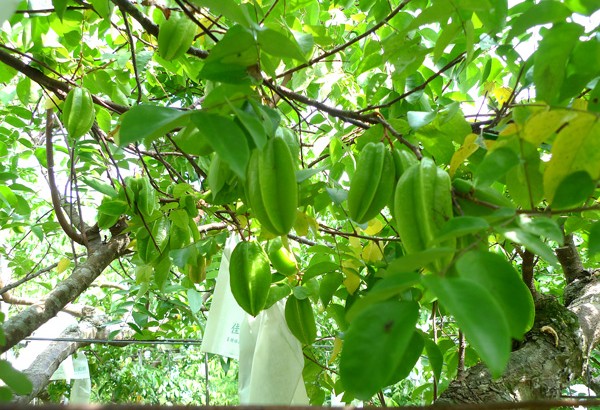
Kiwifruit trees are dioecious, trellis-trained perennial vines.
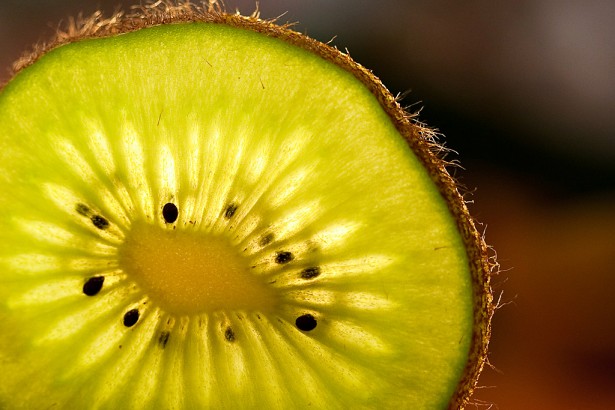
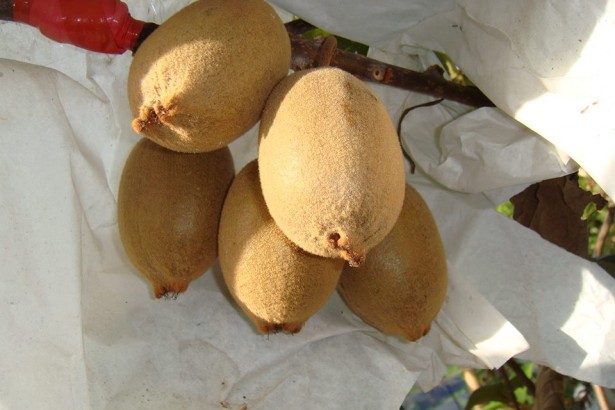
The kiwifruit tree is the collective name for deciduous, vine-like fruit trees of the genus Actinidia. Its stems and vines are slender and long, and it needs to climb and grow on a support or trellis. Its leaves are broad and heart-shaped, the skin of the fruit is usually covered with fine hairs, and the flesh is mainly green or yellow, with a rare red type as well. The fruit is rich in vitamin C and has a sweet-and-sour flavor, making it very popular with consumers.
Most kiwifruit trees are dioecious, so when planting, male plants must be included in a certain proportion for pollination, otherwise it is difficult for them to set fruit normally. It prefers a warm, humid environment with plenty of light, and loose, fertile, well-drained soil is most suitable. Some cultivars have a certain requirement for winter chilling; when chilling accumulation is insufficient, poor flowering and fruiting tend to occur.
Common species include Actinidia chinensis, Actinidia deliciosa, and Actinidia arguta, and by flesh color they can also be divided into green-core, yellow-core, and red-core types. The "kiwifruit" sold on the market is in fact simply the name given to kiwifruit after breeding and commercialization; the two are essentially the same fruit. In addition, some regions also preserve native wild kiwifruit resources, which can be used after grafting and domestication.
In cultivation, a trellis or fence system is usually used, together with winter pruning to control the number of stems and vines and to maintain ventilation and light penetration in the orchard. To bear fruit earlier and stabilize quality, growers mostly propagate nursery stock by grafting, and there is also the practice of top-grafting to change cultivars for renewal. In routine management, attention must also be paid to water supply and drainage to avoid waterlogging and root rot, and to pest and disease control.
With the breeding and promotion of low-chill cultivars, the feasibility of growing kiwifruit in warm flatland areas has gradually increased. As long as the key points of pollination, pruning, and fertilizer and water management are mastered, both courtyards and orchards have a chance to harvest fresh kiwifruit grown at home.
Related Reading