Native kiwifruit breaks the low-temperature curse, ripening into sweet, fully mature fruit
Add a monkey to a gourd and you get a Fulu monkey; so what pops out when you add a monkey to a peach? The answer is "kiwifruit," native to China. Taiwan, China also has native kiwifruit, but missionaries in the early 20th century took it from China to New Zealand, where breeding made it flourish, turning it into a New Zealand specialty that sells briskly in Taiwan.
To bring kiwifruit "back home," Ni Zheng-zhu, a professor in the Department of Horticulture at National Chung Hsing University, found the answer to making Taiwan kiwifruit flower and fruitafter graduating returned to Qishan, Kaohsiung, to grow kiwifruit News glossary: Grafting refers to an agricultural technique that joins two crops from different climatic environments but still allows them to grow and fruit. The most common example is "high-graft pear," in which pear farmers import pear scions from Japan and graft them onto the locally grown Hengshan pear; at this point the imported pear scion is called the scion and the Hengshan pear is called the rootstock. The purpose is to use the rootstock's higher resistance and adaptability to pathogens in the environment, thereby improving the growth quality of the scion and reducing pesticide use. (This article was funded by a Jianzhen Environmental Education Foundation grant for personnel expenses, but the foundation does not interfere at all with news topic selection or interview writing, ensuring news independence.)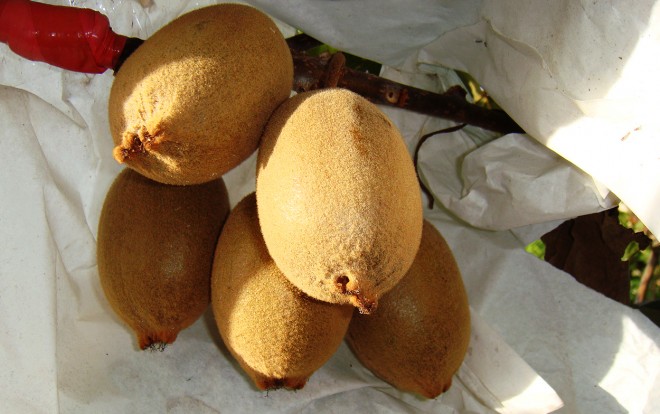


-495x660.jpg)
Ni Zheng-zhu insisted throughout his life on grafting native kiwifruit