The origin of the name "Hami melon" starts with the tribute melons of Hami, Xinjiang
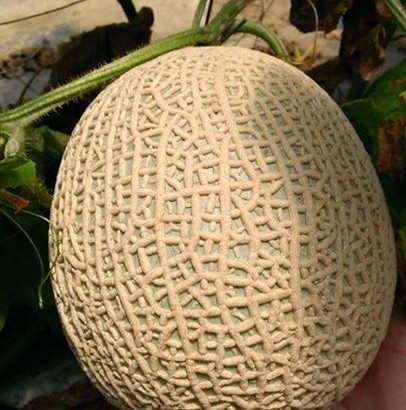
The Hami melon is a thick-skinned type of melon, known for its sweet flesh and rich aroma, and is mainly grown in the oasis basins around Turpan and Hami in Xinjiang. Its name is not an inherent name for the melon itself, but is taken from the place name Hami in Xinjiang, making it a classic case of a place of origin giving a product its name.
Legend has it that during the Kangxi reign of the Qing Dynasty, the ruler of the Hami region once sent locally grown melons to the capital as tribute. These melons were outstandingly sweet and fragrant and were loved by both the court and the public; when people asked where they came from and learned they were from Hami, they came to be called Hami melons. As the fame of the tribute melons spread, the name gradually became well known across the country.
Interestingly, many of the tribute melons of that time actually came from the Shanshan area near Hami, and it was only because they were all presented through Hami that they all received this one name. Over time, "Hami melon" became a byword for Xinjiang's thick-skinned melons, and the high-quality melons grown in Turpan, Shanshan and other places are often grouped under it as well.
Today, the three characters "Hami melon" have long gone beyond the meaning of an ordinary fruit name and become a regional calling card. Relying on abundant sunshine and large day-night temperature differences, places across Xinjiang grow these melons and have also developed a variety of cultivation techniques. Learning the story behind the name lets people savour a little more history along with the sweetness.
Related Reading