Marine fish species are rich and diverse: a detailed guide to common classifications and representative fish
Marine fish are fish that live in seawater environments. The number of known species is enormous, and they are distributed from nearshore reef areas to the depths of the ocean. To adapt to the salinity of seawater, marine fish generally possess a special ability to regulate osmotic pressure, which is also an important feature distinguishing them from freshwater fish.
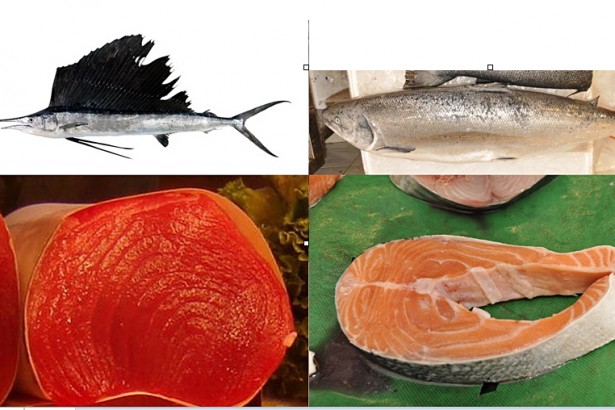
From the perspective of the water layer they inhabit, marine fish can be broadly divided into pelagic fish and demersal fish. Pelagic fish such as Japanese Spanish mackerel, sardines and Pacific saury mostly migrate in schools and swim relatively fast; demersal fish such as ribbonfish, yellow croaker, cod and grouper mostly stay close to the seabed. In addition, based on temperature preference, they can also be divided into warm-water fish and cold-water fish. Marine fish with long-distance migratory habits, such as tuna and salmon, are also often separately called migratory fish.
On everyday dinner tables, common marine fish also include pomfret, sea bass, sea bream and mackerel. Marine fish are generally rich in high-quality protein and unsaturated fatty acids, with firm, fresh and savory flesh, making them an important food source for people to supplement nutrition.
It should be noted that large fish at the top of the food chain, such as tuna, sailfish and sharks, may accumulate more heavy metals in their bodies and are not suitable for long-term excessive consumption. When selecting marine fish, it is recommended to use proper channels, and you can look for freshness features such as clear eyes and bright red gills. As long as frozen marine fish are stored properly, they also have good edible value.
Related reading