Shrubs have no obvious main trunk and are widely used in landscaping and ecological maintenance
Shrubs are woody plants that have no obvious main trunk and are relatively short, usually branching close to the ground and growing into a clumping form. They fall between trees and herbaceous plants, and their size is generally not very tall, making them one of the most common plant types in courtyards, parks and around farmland.
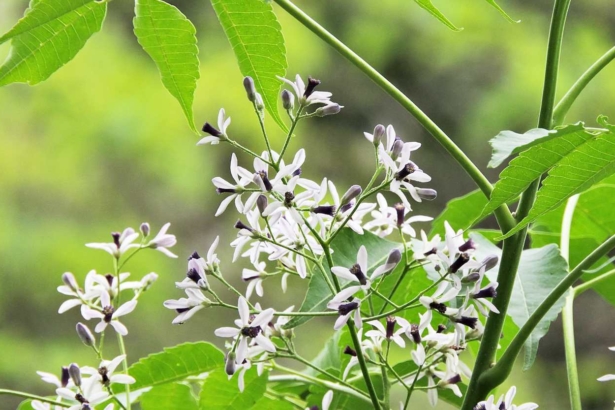
Depending on whether their leaves drop in winter, shrubs can be divided into two main categories: evergreen shrubs and deciduous shrubs. Common ornamental types include rhododendron, camellia, gardenia, hibiscus and rose, which often offer flowers to enjoy in all seasons; there are also economic shrubs such as tea and coffee that are mainly grown for their leaves or fruit, and some species can also be used as medicine or to extract fragrance.
In practical use, shrubs are often pruned into hedges to divide spaces and accent flower beds, and they can also cover bare ground and reduce soil erosion. Ecologically, flowering shrubs are important nectar sources for bees and other pollinating insects, while dense branches and fruit provide places for birds and small animals to hide and forage, which is very helpful for maintaining biodiversity.
When cultivating them, most shrubs prefer well-drained soil rich in organic matter, and should be given full sun or partial sun depending on the species. Regular pruning can encourage branching, maintain ventilation and light penetration, and also reduce the chance of pests and diseases; daily management should combine the concept of integrated control, giving priority to physical and biological control methods to reduce pesticide use, so that the plants grow healthily and the environment is more sustainable.
Related Reading