Taiwan Forestry Research Institute joins hands with Wangxiang Tribe to develop spices from four ethnobotanical plants including Zanthoxylum ailanthoides
“Everyone is looking for tribal distinctiveness, and ethnobotany is one possible form of tribal distinctiveness,” says Dong Jingsheng, head of the Botanical Garden Division at the Taiwan Forestry Research Institute under the Council of Agriculture. In the early days, ethnobotany was not taken seriously; everyone thought it was just a kind of survey research, limited to collecting things from tribal elders, “but we did a lot to seek out possibilities, like the pigeon pea soy milk developed this time, and using tribal plants such as Zanthoxylum ailanthoides, mountain cinnamon and mountain pepper to blend a unique spice that represents the tribe, not only building tribal distinctiveness but also establishing micro-economic development in the tribe.
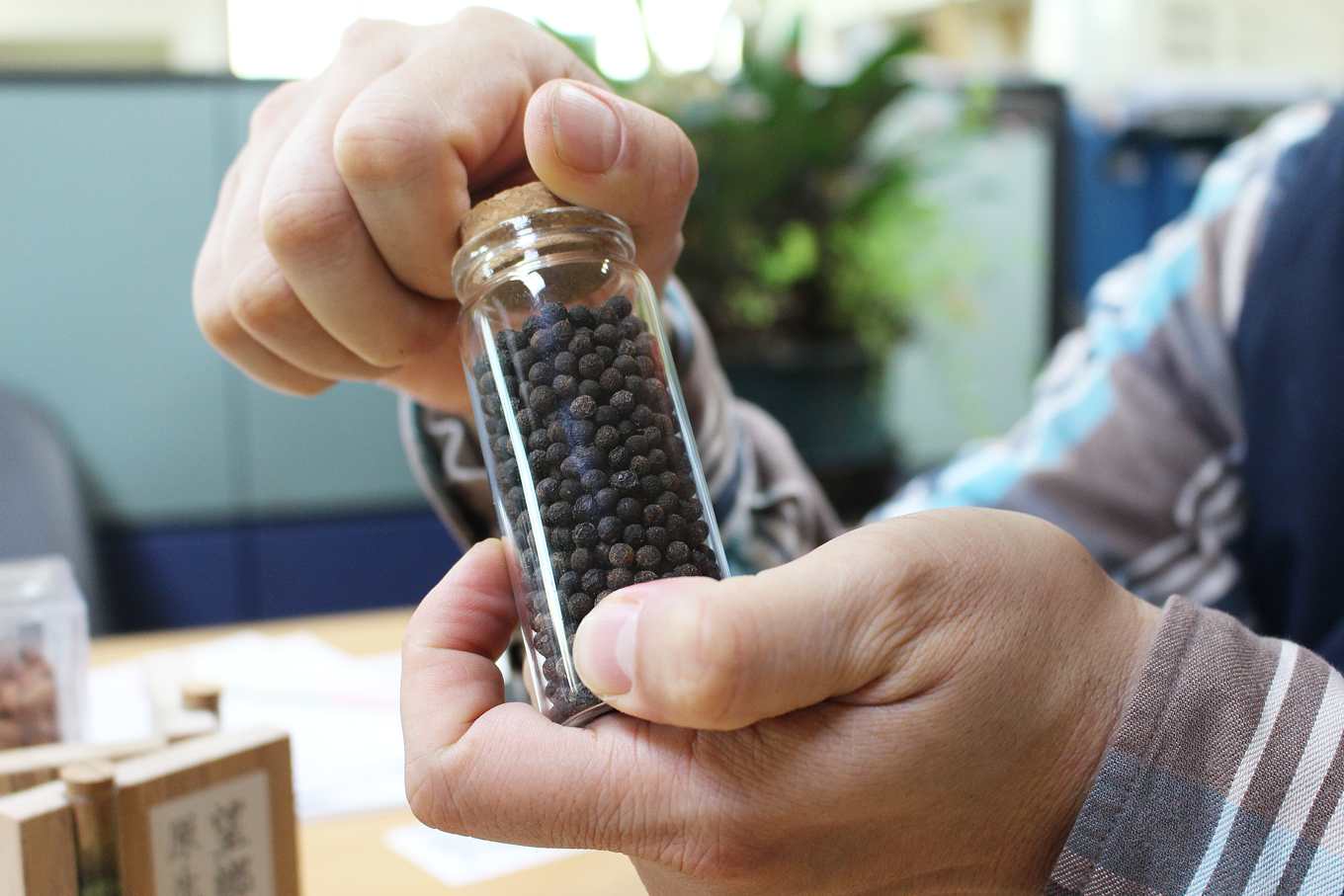
The Forestry Bureau worked together with the NTU Experimental Forest Management Office, the Taiwan Forestry Research Institute, National Kaohsiung University of Hospitality and Tourism, as well as the Nantou County Wangmei Community Cooperative and the Wangxiang Community Development Association to develop pigeon pea milk drinks and indigenous spice specialty ingredients. Dong Jingsheng explains that ethnobotanical plants including Zanthoxylum ailanthoides (indigenous name: Tana), mountain cinnamon (indigenous name: Qaimus) and mountain pepper (indigenous name: Maqav), combined with Taiwan cinnamon, salt and chili, were blended into a spice salt characteristic of the Bunun people, using local wood to make cultural-creative small souvenir items, while also carving the indigenous names onto the wooden boards. “Nowadays no one can cook indigenous food at home, but these spices are the indigenous spirit.”


For micro-economies to succeed, the product line must last
But Dong Jingsheng also admits this is a difficult thing: a micro-economy must be maintained, and the product line must last, but he does believe it is possible to create a sustainable market. Right now it is just about letting everyone know this product exists, and slowly, if expansion is needed, then plant some more for harvesting. “Although the growth rate of the plants is not fast, in the tribe it is feasible for you to do this slowly; the tribe must set out the rules of the game for harvesting methods. This is why I say this is not something that can be done just because other people say they want to help; the tribe needs more time to discuss sustainable management of natural resources.”
At present, people within the tribe also hope to sell the products themselves and find a suitable sales point in the tribe. Perhaps only those who go up the mountain for experiential economy and tourism will be able to buy them, rather than having them distributed everywhere. Dong Jingsheng says, “Treat these as high-priced, good-quality and rare products, sold seasonally, and do not suddenly have them everywhere and lose the tribe's main axis.”
Why choose Wangxiang? Dong Jingsheng explains that Wangxiang's tribal organization is relatively solid, and only through this kind of cooperation from the start could citizen tribal participation be put into practice. “It is not that we will not work with other tribes, but Wangxiang is being promoted as a model.” The spices used by each tribe are different. For example, because the Rukai and Paiwan are located in mountain areas, the crops they grow are naturally different from those of the Bunun, while the Amis love eating vegetables and use more varied spices. In the future, they will assist each tribe in developing its own characteristics.