Types of honey are classified by nectar source, with monofloral and polyfloral honey each having their own distinct flavors
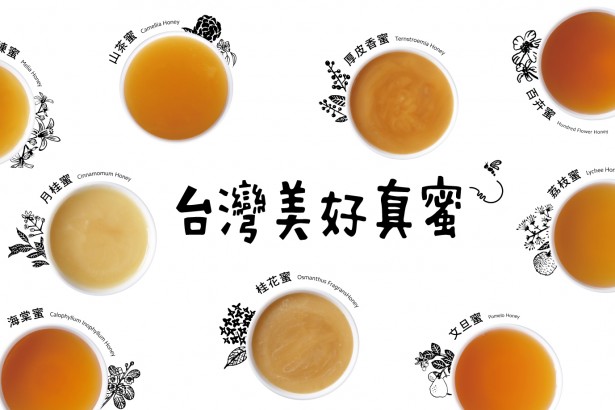
Honey is classified mainly according to its nectar source plants. The nectar that bees collect from different flowers produces honey that differs in color, aroma and taste. In addition, honey can also be distinguished by harvest season, processing method, and whether it is monofloral or polyfloral.
Monofloral honey is the most common way of classifying honey, referring to honey made by bees that collect nectar mainly from a single flower source. Longan honey has a darker color and a rich aroma, and is a type many people are familiar with. Lychee honey is lighter in color and carries a delicate floral scent; acacia honey is light in color and mild in taste, with a refreshing mouthfeel. Jujube honey is dark and full-bodied in flavor, while rapeseed honey crystallizes more easily and has a fine, dense texture.
Polyfloral honey, also known as wildflower honey, is made by bees collecting nectar from multiple flower sources during the same period. Because the nectar sources are mixed, its flavor layers are more complex, and it also varies with origin and blooming season, often carrying local characteristics.
Besides nectar source, the processing method also affects how honey is classified. Ripe honey refers to honey that has been fully ripened in the hive and harvested after the cells are capped; honey harvested before it is fully ripe is often concentrated by machine and is called concentrated honey. The two differ in moisture content and flavor.
Crystallization is a common natural phenomenon in honey. It is a physical change caused by the precipitation of glucose and does not mean the honey has spoiled. When choosing honey, you can pick according to your purpose: mildly flavored honey is suitable for mixing into drinks, while richly aromatic varieties are suitable for baking or spreading on toast. When buying, it is advisable to check whether the labeling is clear and whether the source is reliable, and to store honey in a cool, dry place.
Related Reading