The origins and customs of the Dragon Boat Festival carry traditional cultural connotations
The Dragon Boat Festival is an important traditional Chinese festival, falling on the fifth day of the fifth lunar month each year. It is also known as the Duanyang Festival, the Dragon Boat Festival, and the Double Fifth Festival. This time coincides with midsummer, when the weather is hot and humid and mosquitoes breed. The ancients regarded the fifth month as a key season for warding off disease and epidemics, so many Dragon Boat Festival customs revolve around driving away evil spirits, preventing plague, and praying for peace and health.
Regarding the origin of the Dragon Boat Festival, the most widely spread account is that it commemorates Qu Yuan, a poet of the Chu state during the Warring States period. Legend has it that after Qu Yuan threw himself into the river, the people raced boats to search for him and tossed rice food into the river, which later gradually evolved into the customs of dragon boat racing and eating zongzi. In addition, there are different folk accounts commemorating Wu Zixu, the filial daughter Cao E, and others, and some views hold that the Dragon Boat Festival originated from ancient dragon totem worship, showing that this festival has a very deep historical accumulation.
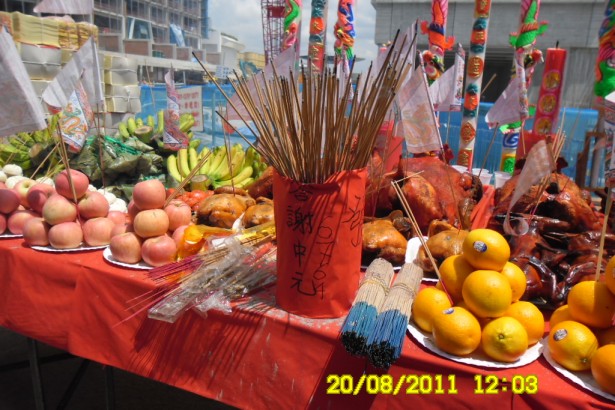
Dragon Boat Festival customs are rich and varied, with distinct regional characteristics. Dragon boat racing is the most representative activity, with drums sounding across the river and dragon boats racing, creating a very lively scene. Zongzi is the festival's signature food, with different flavors in the north and south, and fillings both savory and sweet. People also hang mugwort and calamus at their doors, wear fragrant sachets, and tie five-colored strings on children, and some regions also have the old custom of drinking realgar wine.
The Dragon Boat Festival carries the beautiful wishes of praying for blessings and good fortune and family reunion, and also reflects the life wisdom of Chinese people in following the seasons and valuing health. Today, these customs are passed down from generation to generation and have become an important way to inherit traditional culture and unite national feelings.
Related Reading