An insulated chicken coop is a facility for keeping the coop temperature stable when raising chickens in winter
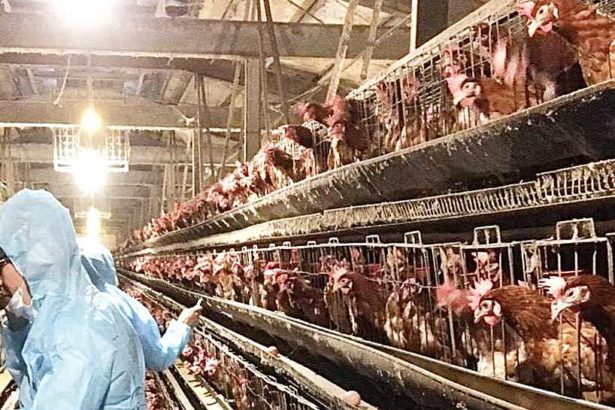
An insulated chicken coop refers to a type of chicken coop in which the temperature inside the coop is kept relatively stable through the rational design of the building structure and insulation materials. It is fairly commonly used in the cold regions of the north as well as in winter and spring, and can reduce the impact of low temperatures on the growth, feed intake and egg-laying performance of the flock, making it one of the common coop forms on large-scale chicken farms.
Compared with open or simple shed coops, the walls and roofs of insulated chicken coops are mostly built with materials such as color steel sandwich panels or brick walls with an added insulation layer, and the doors and windows are well sealed; together with heating equipment, this can maintain a steady environment inside the coop in winter. A stable temperature can reduce cold stress in the flock, lessen the occurrence of respiratory diseases, and also help improve feed conversion efficiency.
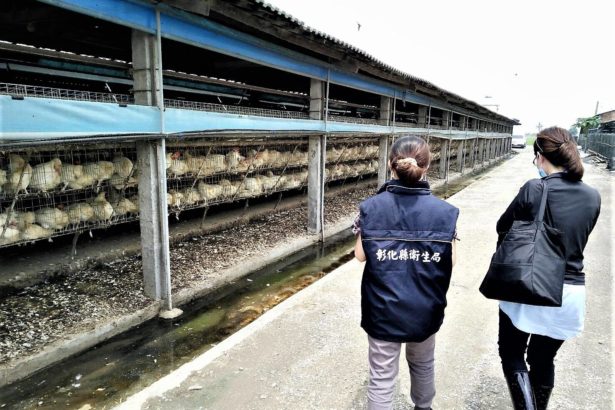
According to the degree of enclosure, insulated chicken coops can be divided into two types: windowed enclosed coops and windowless sealed coops, the latter being more convenient for manually controlling light and ventilation. During construction, the balance between insulation and ventilation must be coordinated, the roof and walls should be properly treated for heat insulation and moisture proofing, and vents and exhaust facilities should be reserved, so as to avoid sealing the coop too tightly for the sake of insulation, which would cause ammonia and humidity inside the coop to become too high and instead harm the health of the flock.
In daily management, heating equipment and electrical circuits should be checked regularly for safety, fumigation and disinfection and other empty-coop treatments should be done before the chicks are brought in, and the ventilation rate should be flexibly adjusted according to weather changes during the rearing period. In winter, the temperature difference at night is large, so night inspections should be strengthened even more to prevent drafts from blowing directly on the flock. Only by managing insulation, ventilation, lighting and disinfection as a combined set of steps can an insulated chicken coop truly play its role in stabilizing production.
Related reading