An Introduction to Bamboo Species and Characteristics: Get to Know Common Bamboo Varieties
Bamboo is the collective name for plants in the subfamily Bambusoideae of the grass family (Poaceae). There are many varieties, and China is one of the countries with relatively rich bamboo resources in the world. According to the growth pattern of the underground stems, bamboo can generally be divided into three major categories: running bamboo, clumping bamboo and mixed bamboo. Different types of bamboo differ in their spreading habits and cultivation management.
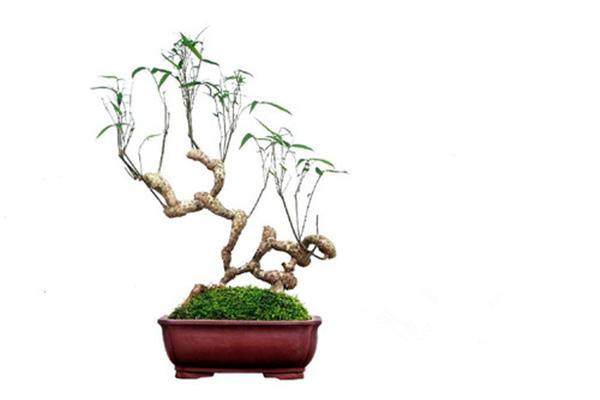
Among the common bamboo varieties, moso bamboo (Phyllostachys edulis) has tall culms and is a timber bamboo with outstanding economic value. Buddha belly bamboo (Bambusa ventricosa) has swollen internodes shaped like a Buddha's belly, giving it a peculiar form that is often made into bonsai for viewing. Black bamboo (Phyllostachys nigra) has purple-black culms with a deep, elegant tone, while golden bamboo (Phyllostachys aureosulcata) has yellow and green stripes on its culms, and both are highly ornamental. In addition, there are also varieties such as fernleaf hedge bamboo (Bambusa multiplex), indocalamus (Indocalamus tessellatus), square bamboo (Chimonobambusa quadrangularis) and sinocalamus (Bambusa emeiensis), each with its own features in form and use.
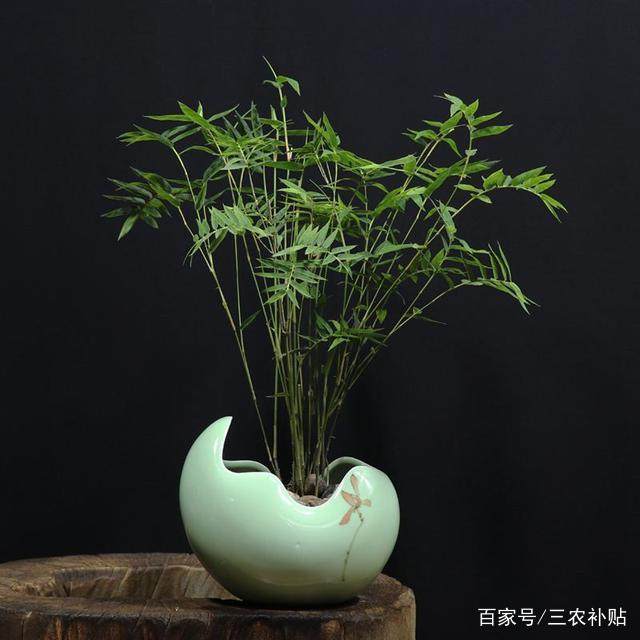
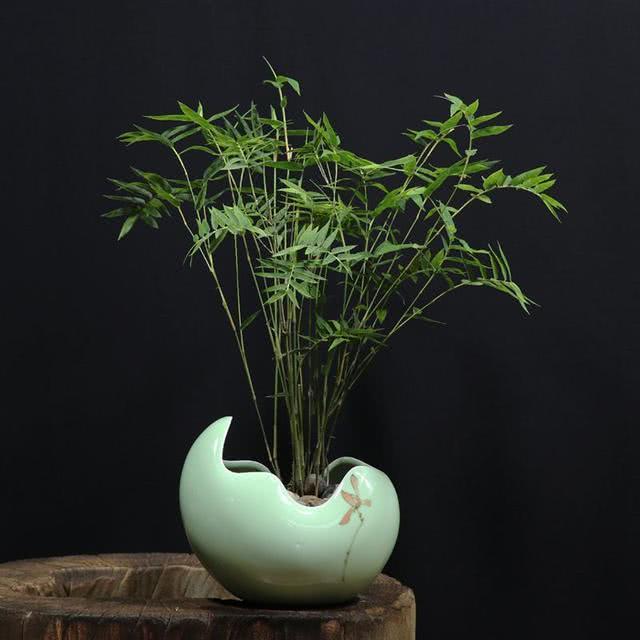
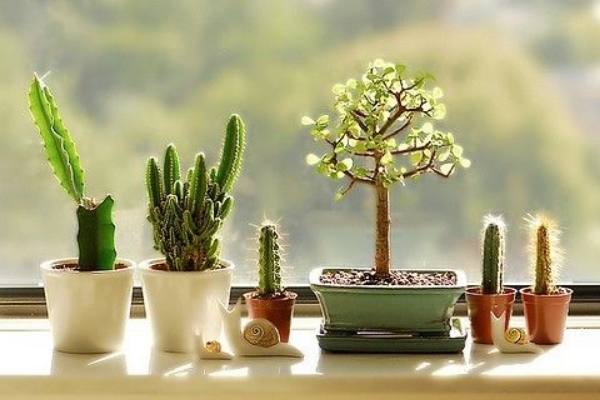
From an application standpoint, bamboo can be used for landscape greening, windbreaks and soil stabilization, and is also suitable for courtyard planting and indoor container growing. Varieties with a small stature and graceful form, such as Buddha belly bamboo and fernleaf hedge bamboo, are especially suitable for pots or bonsai. They stay green all year round and have elegant shapes, adding a refined touch to the home.
As for care, most bamboos prefer a warm, humid environment with plenty of light. Use loose, fertile, well-drained soil, and water so that the soil dries out between waterings but avoid prolonged waterlogging, which can cause root rot. Potted bamboo also needs regular repotting and appropriate pruning to control growth and keep an attractive shape. When choosing, decide on the variety according to your space and purpose: for planting in the ground you can choose tall bamboo species, while for container growing it is better to choose dwarf ornamental bamboos, which are easier to keep in good condition.
Related Reading