Different flowers need different fertilizing methods, and they will grow and bloom better than anyone else's
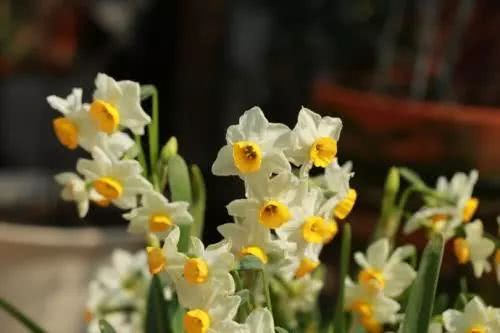
Plant growth cannot be separated from various elements and fertilizers, and different plants have different fertilizer needs, so never make sweeping generalizations. Today let's talk about how to fertilize different types of plants!
1. Fertilizing bulbous and succulent flowers
Because bulbs and succulent stems can store nutrients, and their root systems are relatively small, the amount of top dressing can be halved from the normal amount. However, they have relatively high requirements for nitrogen, potassium and calcium, and when using formulated liquid fertilizer, potassium nitrate and calcium nitrate are often used as the main components in combination. These flowers need to be planted in loose media, such as Rhododendron obtusum and ornamental bromeliads. Top dressing should be applied in small amounts many times, with the amount being half the normal amount, that is, applying 15-30 granules of compound fertilizer per pot each time.
2. Fibrous-rooted azaleas
These flowers grow rapidly and have well-developed root systems, so they need a lot of fertilizer, such as Aglaonema of the Araceae family. Plants that like fertilizer must be given more fertilizer, especially when fertilizing during the growing period, which is essential. For top dressing, in addition to the normal amount twice a month, applying 100-120 granules of compound fertilizer each time, also spray formulated liquid fertilizer 5 times.
3. Fertilizing bonsai
The characteristic of bonsai fertilization is that the amount should be small and the fertilizer effect should last long. A certain amount of base fertilizer can be placed at the bottom of the pot during repotting, and later fertilization is relatively simple. Generally, slow-release organic fertilizers such as bone meal and cake fertilizer are used as the main body, mixed with slowly released urea-formaldehyde, phosphate rock powder and a small amount of quick-acting fertilizer.
You can also put some vegetable leaves at the bottom of the pot as base fertilizer, and you can also use eggshells, fruit peels and so on from home to make fertilizer.