How to grow a bamboo bonsai so it has a graceful shape and stays evergreen all year round
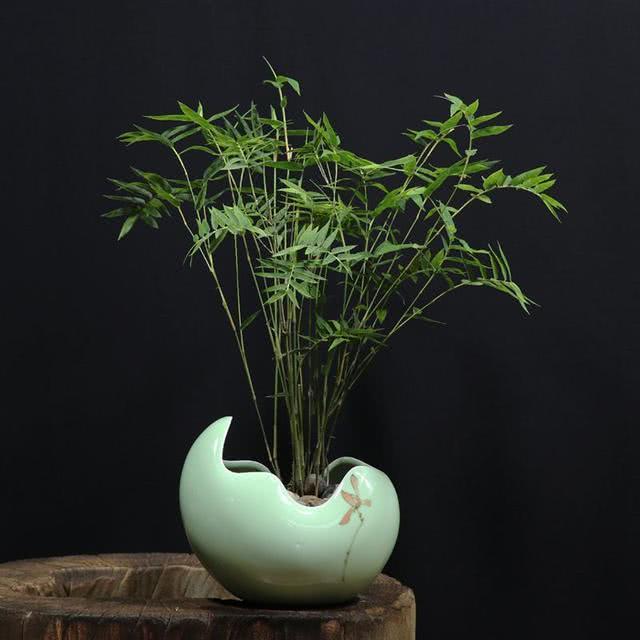
Since ancient times, people have loved bamboo - for its verdant, upright form, for its evergreen foliage through all four seasons, for its graceful posture, and for its extremely tenacious vitality. When I was a child I read many poems about bamboo, so in my impression bamboo is a very elegant symbol, and I always thought bamboo should grow deep in the woods. Only after growing up did I gradually learn that there are now many potted bamboos, and many bamboo lovers grow them at home. Do you have potted bamboo at home? Do you know the tricks for growing potted bamboo well?
Nowadays many people choose to grow potted bamboo, because bamboo has always been a symbol of purity and nobility that can reflect the owner's refined spirit. Of course, not all bamboos can be grown at home; the bamboo species suitable for bonsai are all relatively small and fine, such as fernleaf bamboo (Bambusa multiplex), black bamboo (Phyllostachys nigra), and green bamboo. Bamboo also has many benefits for our health: it can absorb dust and carbon dioxide from the air, which is why we often put a little bamboo charcoal fiber at home to purify the air. Do you have potted bamboo at home? How do you grow them?
First, regarding placement, we should put it in a suitable environment. For example, in summer it is best placed in a shady spot and must not be exposed to strong direct sunlight; in winter, bamboos that are not cold-hardy need their pots moved indoors to keep warm and protect against the cold, and on fine days they can be put out in the sun for a while. Remember not to place them near heaters, air conditioners or televisions - just like people, radiation can also affect the growth of bamboo, and the leaves will turn yellow and drop off.
Next, regarding the choice of soil: good soil is the first step for bamboo to grow vigorously. Just as a region's water and soil nurture its people, a pot of soil nurtures a potted plant. We need to choose soil that is loose and has good water permeability and aeration. After the bamboo is potted, the first watering must soak it thoroughly, and later watering should also be moderate - not too much or too little, as both will affect the normal growth of the bamboo; it is best to keep the soil in the pot half-dry and on the moist side.
Then there are the points to note about fertilizing. Fertilizing should also be moderate; too much or too little is not good - just as we people should not binge eat or go on strict diets. When fertilizing, pay attention and choose a better fertilizer. Of course, the temperature when fertilizing is also important; it is best not to fertilize when it is too hot or too cold, as that may backfire.
Finally, there is pruning. Every spring we see sanitation workers trimming and cutting along the roadsides. This is an important task in growing green plants: we need to prune away some branches and leaves that look old and are not worth keeping, so that the bamboo can put out new branches and leaves and absorb nutrients well. When we see some yellowing leaves, we should also tend to them appropriately. This is not only for looks, but also good for the bamboo's absorption of fertilizer and nutrients.
If you want to grow plants well, you must have love and patience.