Bamboo has an extremely wide range of uses: building materials, food and ornamental plants, it does it all
Bamboo is a plant in the grass family (Poaceae), with a fast growth rate and a short maturation cycle, and it has long been regarded as a resource whose every part is valuable. From the culms and leaves to the rhizomes and shoots, almost every part can be put to use, which is why it holds an important place in people's production and daily life.
In terms of construction and materials, bamboo culms are tough and elastic, and are often used to build scaffolding, make furniture, flooring and bamboo mats, and so on. Processed bamboo can also be made into chopsticks, baskets, carvings and other everyday crafts, and some bamboo can serve as a raw material for papermaking.
In terms of food, bamboo shoots are a common ingredient, tender and refreshing, and can be stir-fried, stewed in soup or processed into dried bamboo shoots for storage. Bamboo leaves are likewise useful: besides being brewed as tea, they are also a common material for wrapping traditional foods such as zongzi.
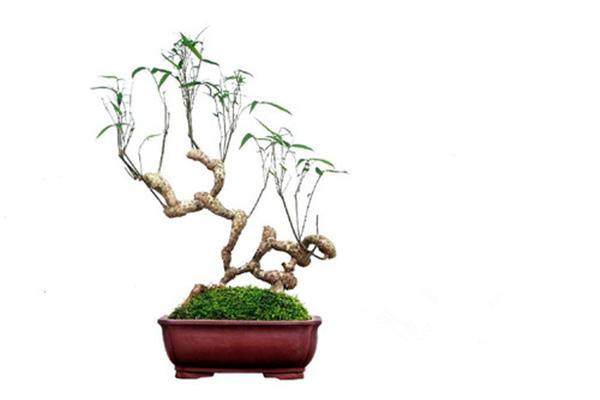
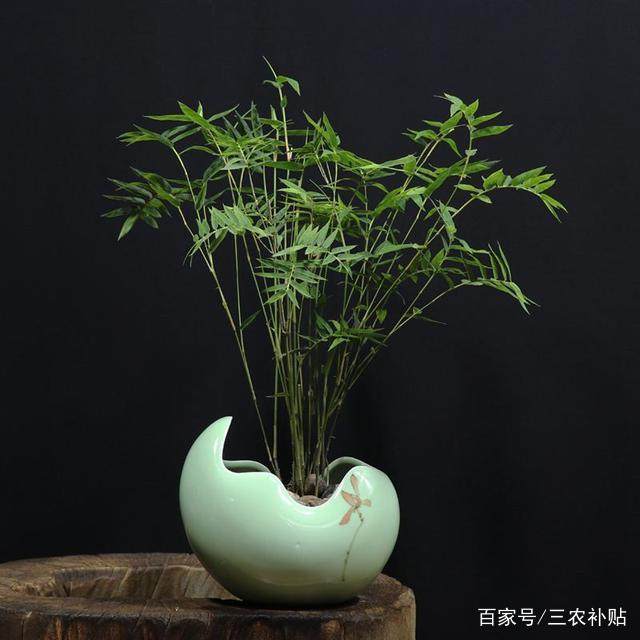
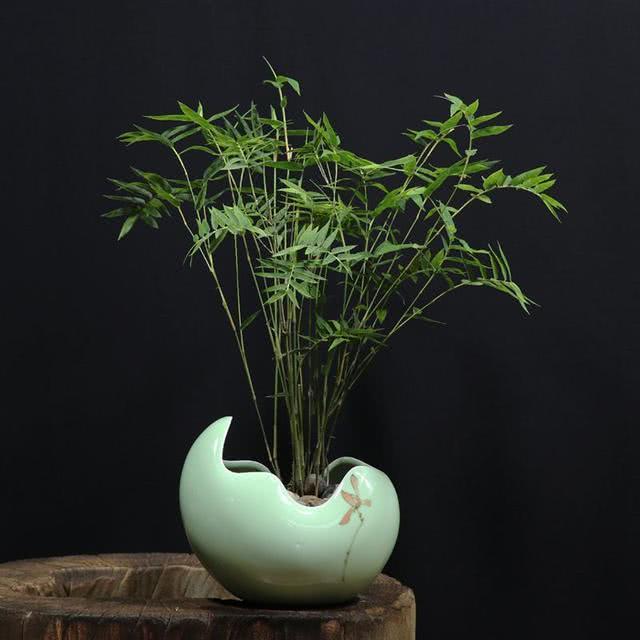
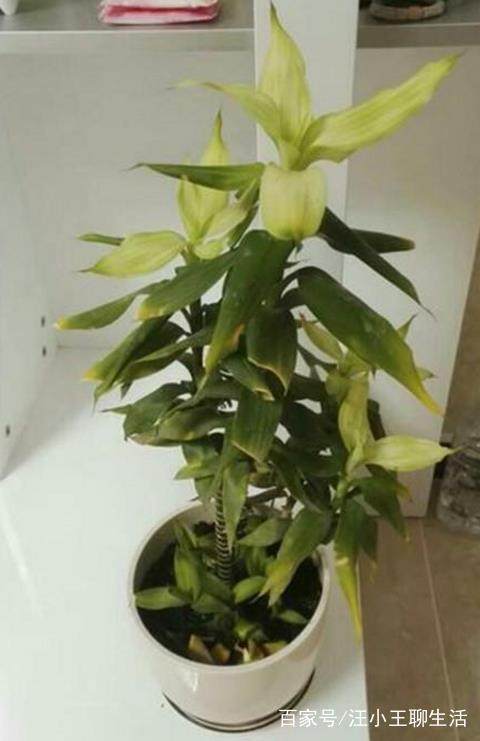
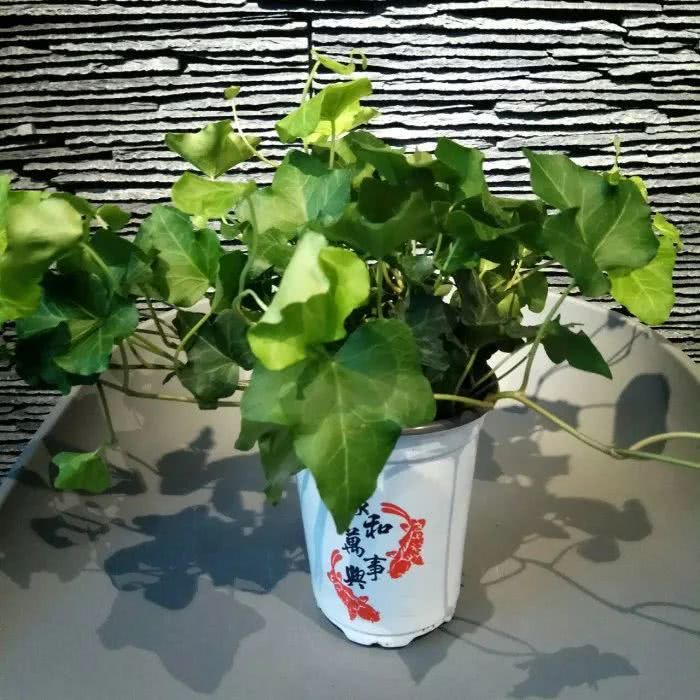
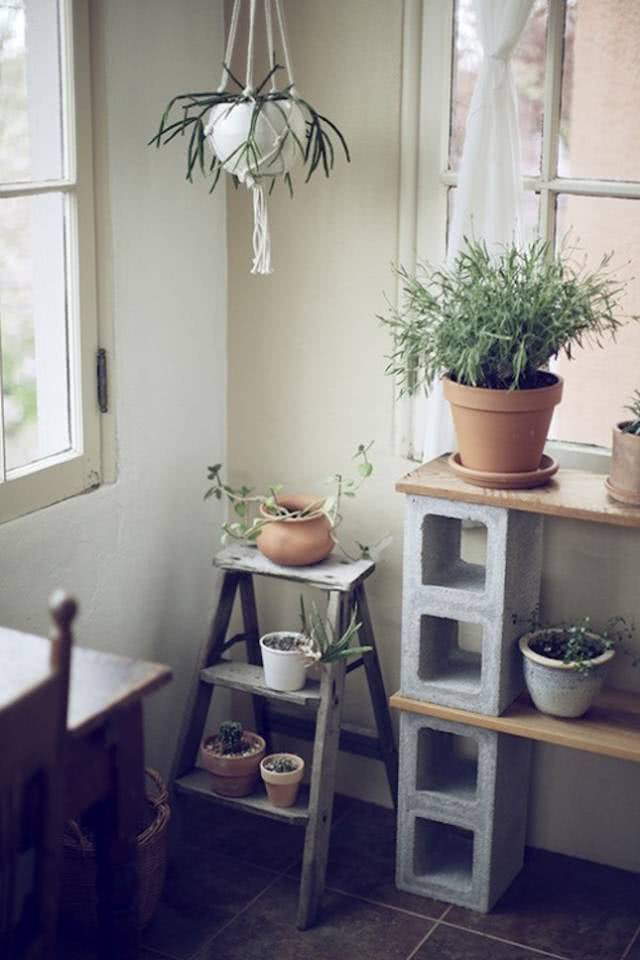
In terms of ornament and ecology, bamboo stays green all year round and grows tall and upright, making it suitable for planting in courtyards and gardens, while some smaller varieties can be made into bonsai or potted plants for indoors. Stands of bamboo can conserve soil and water and check wind and fix sand, which also helps to improve the environment.
Overall, bamboo combines practical, edible and ornamental value, and its uses cover many aspects of production and daily life. Reasonable development and use of bamboo resources can both meet everyday needs and fit the idea of green, environmentally friendly living.
Related reading