Perilla: A Medicinal and Culinary Herb - Characteristics, Benefits and Growing Guide
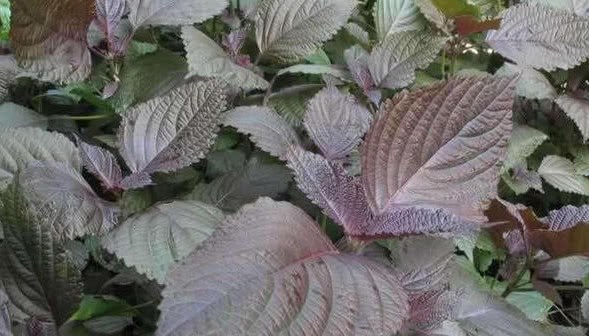
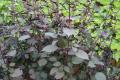
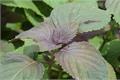
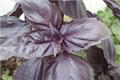
Perilla is an annual herbaceous plant in the mint family (Lamiaceae) with a long history of cultivation in China. It is both a common culinary herb and a frequently used medicinal material in traditional Chinese medicine, which is why it is known as a plant that serves both as food and medicine. The whole plant has a distinctive fresh aroma. Its leaves are mostly ovate, with either wrinkled or smooth surfaces, and range in color from green to purple. The tender leaves are the main part used for eating.
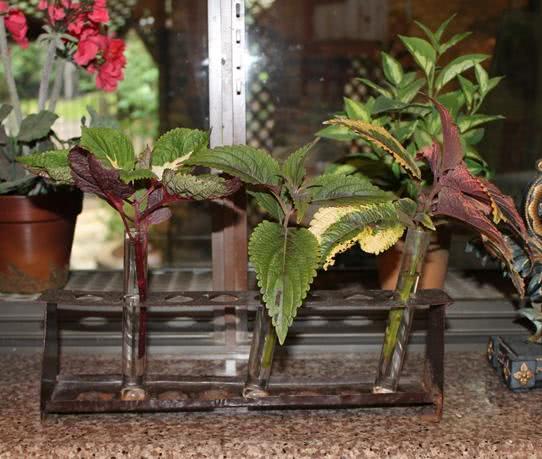
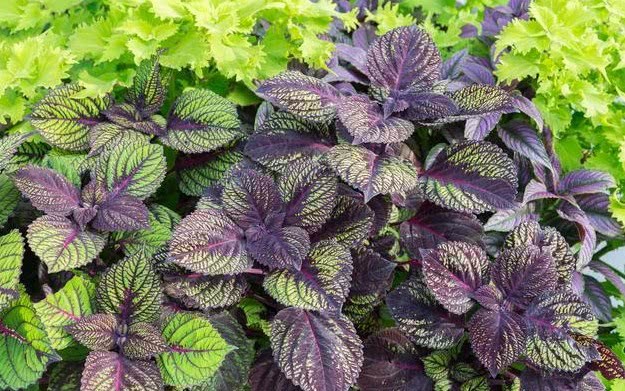
Common perilla can generally be classified by leaf color: plants with entirely green leaves are called white perilla (baisu), while those with purple-red coloring on the leaf surface are called perilla or red perilla (chisu). There are also types such as curly-leaf perilla, whose leaves are crinkled. The coleus commonly seen in landscaping, also called painted nettle, has brilliantly colored leaves and is mostly used for flower beds and potted display; it is not the same plant as culinary perilla.
In terms of uses, the leaves, stems and seeds of perilla are all valuable. The tender leaves have a pungent, aromatic flavor and are often used in cooking fish, river snails and other aquatic products to remove fishiness and add flavor; they can also be served cold, used in soups or wrapped around rice. Dried perilla leaves, perilla stems and mature seeds are traditional medicinal materials. In traditional Chinese medicine, they are considered to help disperse wind-cold and to regulate qi and harmonize the stomach.
Perilla prefers a warm, humid environment with plenty of sunlight. It is not demanding about soil, growing best in loose, fertile, well-drained ground. It is usually sown in spring and can also be propagated by cuttings. During the growing period, attention should be paid to thinning seedlings, pinching tips and harvesting tender leaves promptly, while guarding against common pests such as aphids. It also grows easily in flower pots on a balcony, making it a very popular choice for home herb growing.
Related Reading