How do you eat perilla leaves? A detailed explanation of perilla's benefits and effects
The seeds, flowers, plant and leaves of perilla can all be used to extract their nutritional value, thereby helping to protect people's health. This plant is valuable in every part, so what exactly are its specific benefits? Today let's study them together.
Varieties of perilla
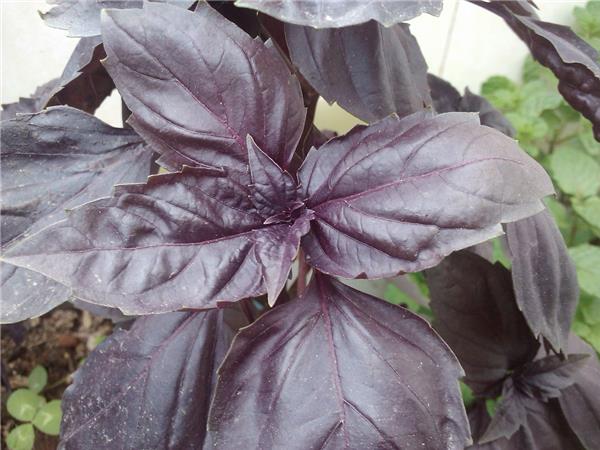
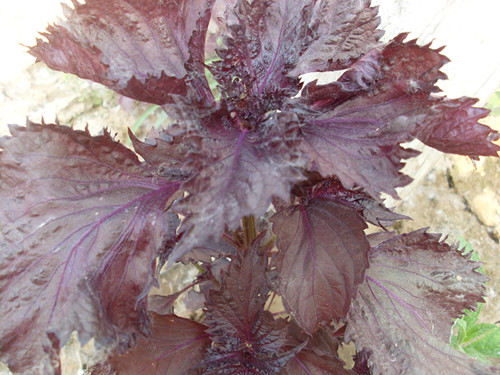
Perilla includes two varieties: curly-leaf perilla (Perilla frutescens (L.) Britt. var. crispa Deane), also known as huihui perilla and cockscomb perilla; and another pointed-leaf perilla (P. f. var. acuta (Thunb.) Kudo), also known as wild perilla. Curly-leaf perilla is more widely cultivated in various places, and when grown in gardens it also has ornamental value. It is usually divided by leaf color into varieties such as red perilla, curly-leaf perilla and green perilla; by maturity it can be divided into early-, mid- and late-maturing varieties. By use, it is divided into sprout perilla, leaf perilla and spike perilla.
Key cultivation points for perilla
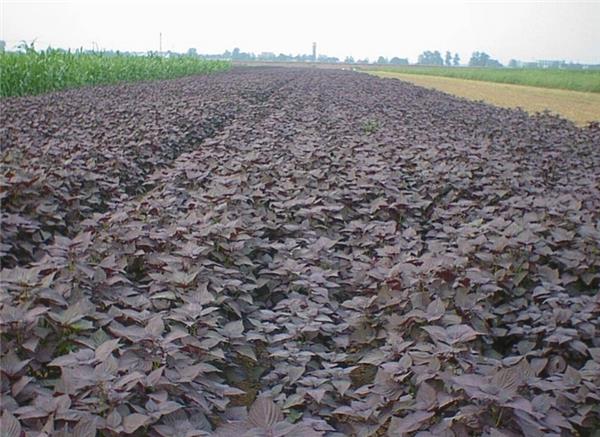
In the Yangtze River and Yellow River basins, open-field cultivation is predominant: seedlings are raised in cold frames or in the open field from March to April, transplanted from April to May, and harvested from June to September until bolting. Protected cultivation includes: greenhouse cultivation with seedlings raised in September, transplanted into the greenhouse, supplemental lighting treatment, and supply from February to April. Or use a greenhouse or medium tunnel for late-autumn extension (sown in August-September, transplanted in September-October, supplied from November to January) and early-spring forcing (sown in January-February, transplanted in February-March, supplied from April to June). In recent years, household container cultivation has become popular, allowing sowing and harvesting throughout the year.
What are perilla's benefits and effects?
1. Relieving symptoms of seafood allergy
When a person has a poisoning reaction after eating fish, shrimp or crab, single-ingredient perilla can be decocted and taken, or used together with ginger, to relieve the symptoms of vomiting, diarrhea and abdominal pain caused by fish, shrimp and crab poisoning. If allergic symptoms occur after eating stale seafood, eating a few raw perilla leaves can quickly reduce itching. Therefore, adding a little perilla when cooking aquatic products not only makes use of its strong pungent aroma to remove fishiness and enhance freshness, but also helps health.
2. Keeping out cold and treating colds
Perilla has a diaphoretic and relaxing effect. When suffering from wind-cold cold, cough or pain, drinking a warm cup of perilla tea can effectively relieve symptoms and help the body recover its vitality.
3. Clearing heat and relieving summer heat
Perilla's effect of clearing heat and toxins can be used to relieve summer heat. Wash perilla leaves and drain the water, put them in a cup and brew with boiling water, add white sugar to make a refreshing perilla drink; fresh lotus leaves and other ingredients can also be added and brewed together.
4. Removing redness and swelling from mosquito and insect bites
Adding a little perilla leaf to hot water when bathing can also eliminate the redness and swelling from mosquito and insect bites.
5. Other conditions perilla helps with
Perilla can also relieve symptoms of chest and abdominal fullness, and can also treat periodontitis and inhibit pollen allergies.
Recommended perilla leaf recipes
Perilla leaf salad with cucumber
Ingredients: 500 g cucumber, 100 g perilla leaves (red or green both work).
Seasonings: refined salt, MSG, sesame oil, white vinegar, white sugar.
Method: 1. Wash the perilla leaves, rub with a little salt, and chop. 2. Wash the cucumber, peel it, cut into shreds, put into a small bowl, sprinkle with refined salt, MSG, white vinegar and an appropriate amount of white sugar, mix well, then sprinkle the chopped perilla over the cucumber shreds, drizzle with sesame oil, mix well just before serving, put into a dish and it is ready to eat.
Features: Lightly fragrant and refreshing, with a unique flavor.
Soft-fried perilla leaves
Ingredients: 200 g perilla leaves, 50 g frying batter mix.
Seasonings: pepper salt, 250 g cooking oil.
Method: 1. Wash the perilla leaves one by one, wipe dry with a cloth, and place on a plate. Mix the frying batter with an appropriate amount of water. 2. Pour oil into the pan, dip all the perilla leaves into the prepared batter, fry in the oil over low heat until golden on both sides, then remove and place on a plate. 3. After all are fried, sprinkle with pepper salt and they are ready to eat.
Features: Salty, fragrant, crisp and flaky, with the distinctive aroma of perilla.
Perilla leaf congee
Ingredients: 100 g japonica rice, 15 g perilla leaves.
Seasoning: brown sugar.
Method: Cook japonica rice into a thin congee, when the congee is done add the perilla leaves and simmer briefly, then add brown sugar and stir evenly.
Features: Perilla leaves have the effects of opening and dispersing lung qi, releasing the exterior and dispelling cold, and moving qi and soothing the middle. Combined with spleen- and stomach-strengthening japonica rice to make congee, it is suitable for conditions such as wind-cold cold, cough and uncomfortable chest tightness.
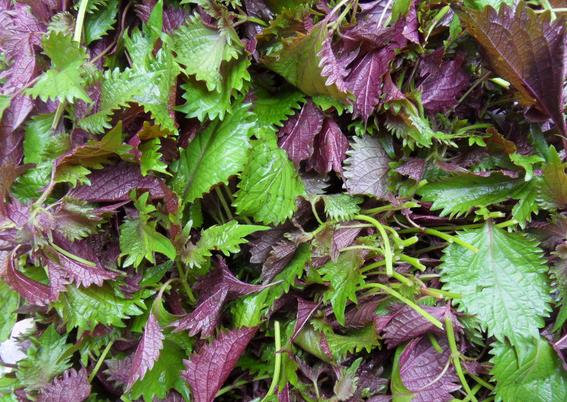
Perilla really does have quite a few benefits. If you grow perilla at home yourself, you can pick it when the leaves have grown to the appropriate stage and then cook with it, using food therapy to protect your health, so growing perilla is truly something worthwhile.