How to Grow Perilla and Things to Keep in Mind
Perilla also has some other names, such as red perilla, purple perilla, and black perilla, so named because these colors are fairly similar. The most important thing to keep in mind when growing perilla is to choose an environment suited to its growth habits based on its growing habits, otherwise it may easily fail to grow tall or fail to bloom.
I. Morphological Characteristics of Perilla
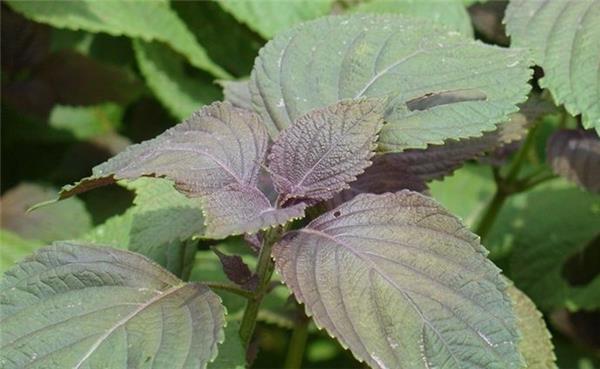
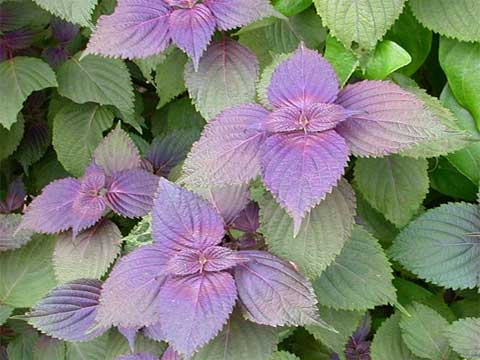
Annual herb, plant height 60-150 cm, with a distinctive fragrance. Stems upright, four-angled, purple or green-purple, much branched, densely covered with purple or white long soft hairs. Leaves opposite with long petioles, leaf blades wrinkled, ovate to broadly ovate, apex abruptly pointed or gradually pointed, margins with coarse rounded serrations, purple on both sides, or green on the surface and purple on the underside. Racemose inflorescence, terminal or axillary, flowers pale purplish-red or pale red, calyx bell-shaped. Nutlets obovate, grayish-brown, seeds elliptical, tiny. Flowering period June-July, fruiting period July-September.
II. Growth Habits of Perilla
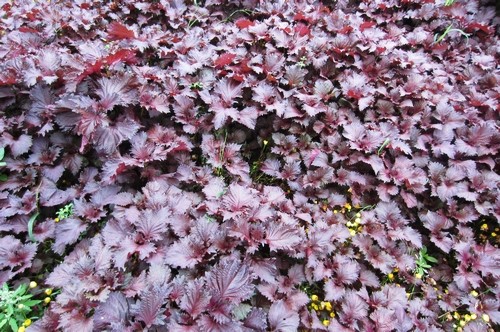
It prefers a warm and humid climate and is not strict about soil requirements, but loose, fertile, well-drained sandy loam is best; it can also grow in slightly clayey soil, but its growth and development will be poorer.
III. Uses and Value of Perilla
1. Ornamental value: Used to arrange courtyard flower beds and flower borders; suitable for growing in patches along walls in courtyards.
2. Medicinal effects: Perilla can be used for medicine and as a spice, and its leaves can also be eaten. It induces sweating and releases the exterior, regulates qi and eases the middle, and neutralizes fish and crab toxins.
IV. Things to Keep in Mind When Growing Perilla
Key points: Mainly propagated by sowing. Sow in spring from March to April, cover with a thin layer of soil after sowing, press lightly, water promptly after sowing, germinate in 7-10 days, germination rate above 90%. The planting site should be given sufficient base fertilizer, fertilize 2-3 times during the growing period, and pinch off the growing tip when the seedlings are 25 cm tall to encourage more branching.
Soil: Perilla is highly adaptable to climate and soil. It is best to choose sunny, well-drained, loose and fertile sandy loam or loam; growth is poorer in heavy clay. Loosen the soil.
Temperature: Requirements for environmental conditions. Perilla likes a warm and humid climate. Seeds can germinate when the soil temperature is above 5°C, and the suitable germination temperature is 18-23°C. Seedlings can tolerate low temperatures of 1-2°C. Plants grow slowly at lower temperatures. Growth is vigorous in summer. The suitable temperature during the flowering period is 22-28°C, with relative humidity of 75%-80%.
Humidity: Fairly tolerant of moisture and quite resistant to waterlogging, but not tolerant of drought, especially during the period when the product organs are forming; if the air is too dry, the stems and leaves become coarse and hard, with more fiber and poor quality.
Topdressing: Perilla has a relatively short growing period, and the whole plant can be harvested 2.5 months after planting. Since the whole plant is used as medicine, nitrogen fertilizer is the main type. Apply fertilizer in a concentrated way before the rows close.
Watering: After sowing or transplanting, water promptly. Also pay attention to drainage, clear the operation paths, and prevent water accumulation from causing root rot and leaf drop.
Harvesting and processing: When harvesting perilla, choose a sunny day to cut it, as the aroma is stronger and drying is easier. For perilla leaves used as medicine, harvest should be done from late July to early August, before perilla blooms. While collecting seeds, also pay attention to selecting and keeping good seeds. Choose robust plants with high yield, wait until the seeds are fully mature before harvesting, dry them in the sun and thresh them for use as seed.
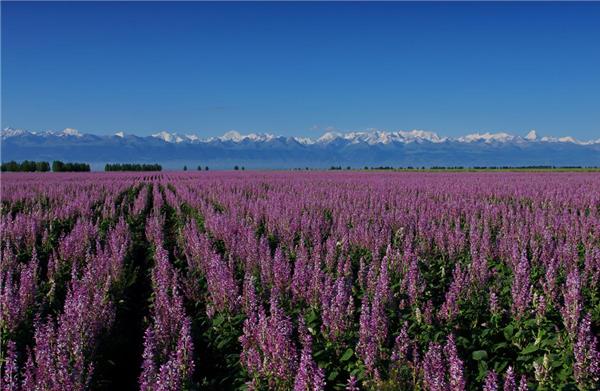
Growing perilla at home requires suitable conditions. Generally speaking, perilla is more suitable for field cultivation. When growing it in pots, it is best to choose a large pot with greater width and height, and be sure to choose a flower pot with good breathability such as a ceramic pot, so as to avoid seed rot and root rot after sowing or cuttings. The above is the introduction to the methods of growing perilla; I hope it can help everyone.