The Oldest Trees Can Live for Thousands of Years: Exploring the Survival Secrets of Long-Lived Tree Species
The oldest trees generally refer to a group of individual trees on Earth with the longest lifespans, and can also refer to those ancient tree species with extremely early origins that are known as living fossils. To find out how many years a tree has lived, methods such as tree-ring dating are mainly relied upon; some ancient trees are difficult to core directly for measurement, so their age can only be given as an approximate range.
Among the generally recognized long-lived tree species, the bristlecone pine of North America is the most famous; some individuals are believed to have survived for thousands of years, making them among the longest-lived trees known. Although the age of individual trees of species such as China's ginkgo and dawn redwood varies, they appeared as species extremely early and are often called living fossils of the plant world. In addition, dragon trees, baobabs and various cypresses are also known for their longevity, and many ancient pines and cypresses are now protected as famous ancient trees.
The reason these trees live so long is closely related to characteristics such as slow growth, dense wood, and tolerance of drought and poor soil. Growing slowly means less nutrient consumption, and resin and fine, dense wood can also help resist pathogens and insect pests; even if part of the trunk dies, some trees can still continue to grow relying on the remaining healthy tissue.
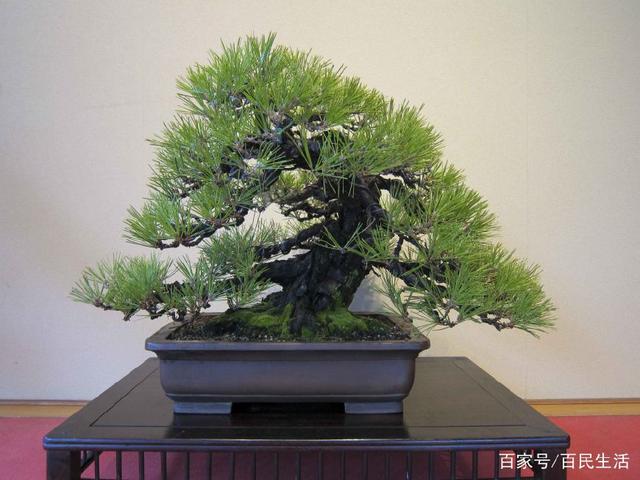
Ancient trees have unique value in both scientific research and culture. Through tree rings, researchers can reconstruct past climate changes and provide reference for environmental research; in folk tradition, pines and cypresses have symbolized longevity and resilience since ancient times and are commonly seen in courtyards, gardens and bonsai, carrying people's wishes for long life and enduring good fortune.
Related Reading