One of the oldest fruits on Earth, it makes superb wine - if you come across it, remember to take it home
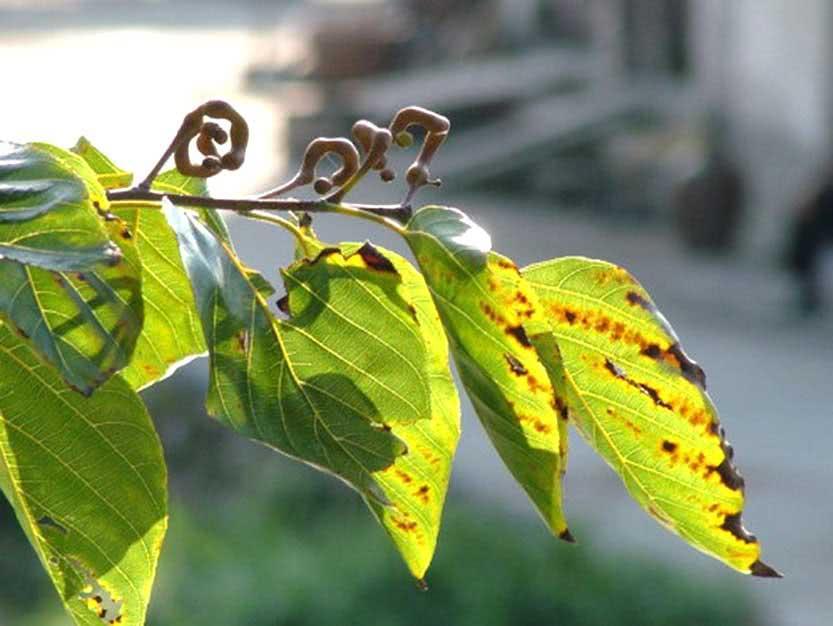
I grew up in the countryside, and whenever I had time I would run around the hills with a few friends. Especially at this time of year, when so many wild fruits on the hills have ripened, a few of us would go up to get a taste of something fresh, and sometimes we would pick some to take home, so we could enjoy them for a few more days. Today I want to introduce one of the fruits we used to pick as kids - the longevity fruit (Japanese raisin tree, Hovenia dulcis). According to scientists, the longevity fruit tree is one of the oldest fruit trees on Earth, with a history of nearly 10 million years, and it has high research value.
The longevity fruit looks crooked and not particularly attractive, and around here we call it chicken claw, probably because of its shape. When we were kids, longevity fruits grew wild on the hills. The tree has strong survival ability - as long as the climate and moisture are suitable, it grows very well. Unripe longevity fruit tastes rather astringent, but once ripe, the bitter and astringent taste disappears. Ripe longevity fruit can be eaten raw, and it has no pit, so it is convenient to eat and tastes sweet - after eating it, even plain water tastes sweet in your mouth.
When I was a child, if there were elderly people in the family who drank alcohol, once the longevity fruit season came, the family would go up the hills to pick them, and the ones they brought back were used to make infused liquor. In the past, rural people drank bulk baijiu they made themselves, and putting longevity fruit into the liquor gave it a rich fragrance, which could help the elderly stay healthier and also had health-preserving benefits. Some also brewed liquor directly from longevity fruit, and liquor brewed straight from it has the effect of relaxing muscles and stimulating circulation; for farmers who did farm work for years, it also helped relieve fatigue. Farmers who drank back then certainly drank plenty of liquor brewed from longevity fruit. Whenever the longevity fruit picking season came, the streets would start selling liquor brewed from longevity fruit, and people called this kind of liquor health-preserving wine.
The longevity fruit has high nutritional value. Whether eaten raw or used to brew liquor, it has health benefits for the body. Nowadays people pay more and more attention to health care, and some farmers have begun planting longevity fruit trees, so that when the season comes they can harvest some income. Right now this wild fruit is about to ripen. If you have time, you can go into the hills yourself, find some longevity fruits and pick them to take home - occasionally eating wild fruit is quite nice.
It is almost the October 1st holiday now, and the longevity fruits in the hills are starting to ripen. If you see them, you can take them home to eat. If they taste a bit astringent, you can steam them and dip them in sugar - they help quench thirst and promote urination. After November, once the longevity fruits have been touched by frost, they become very sweet. Have you all eaten longevity fruit? What do you think of its taste?