An Introduction to the Characteristics of the Indian Rubber Tree and How to Care for It in Pots
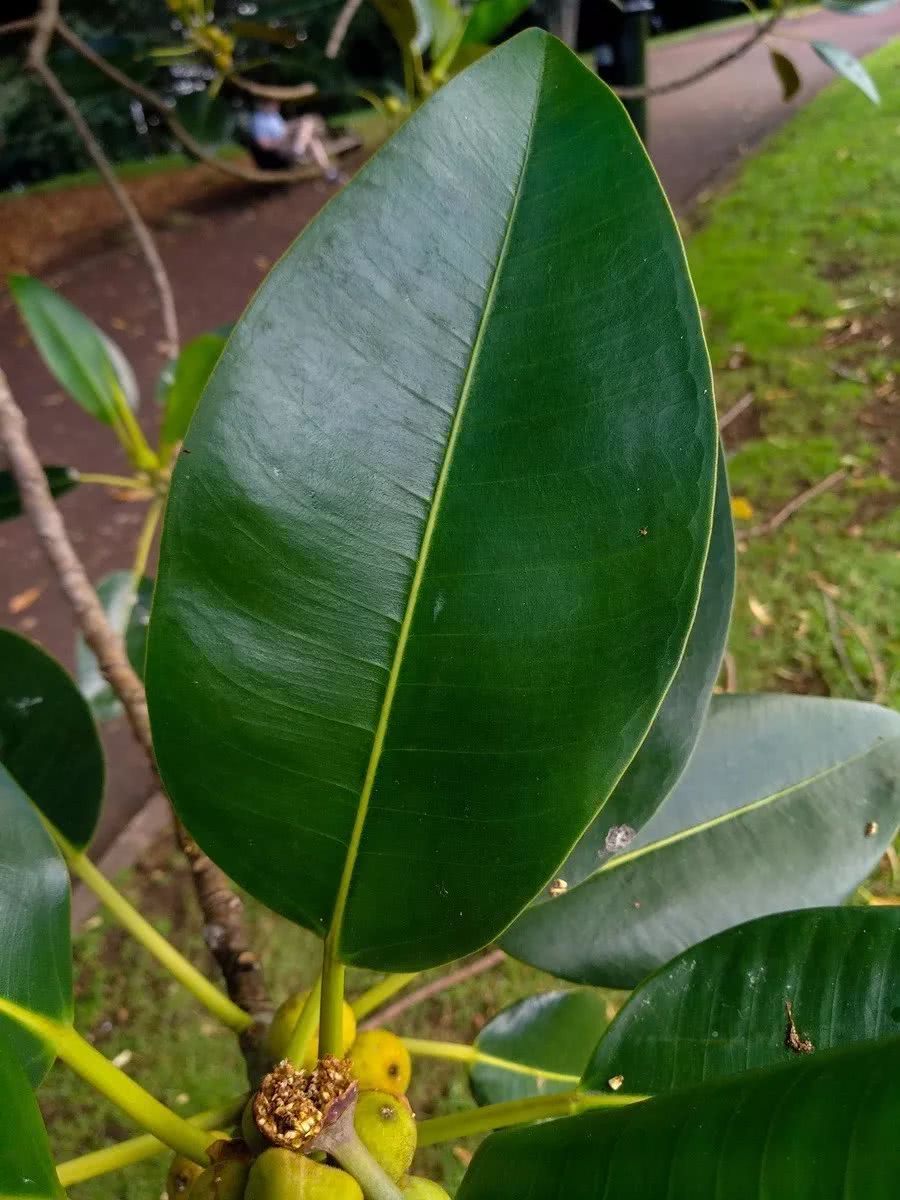
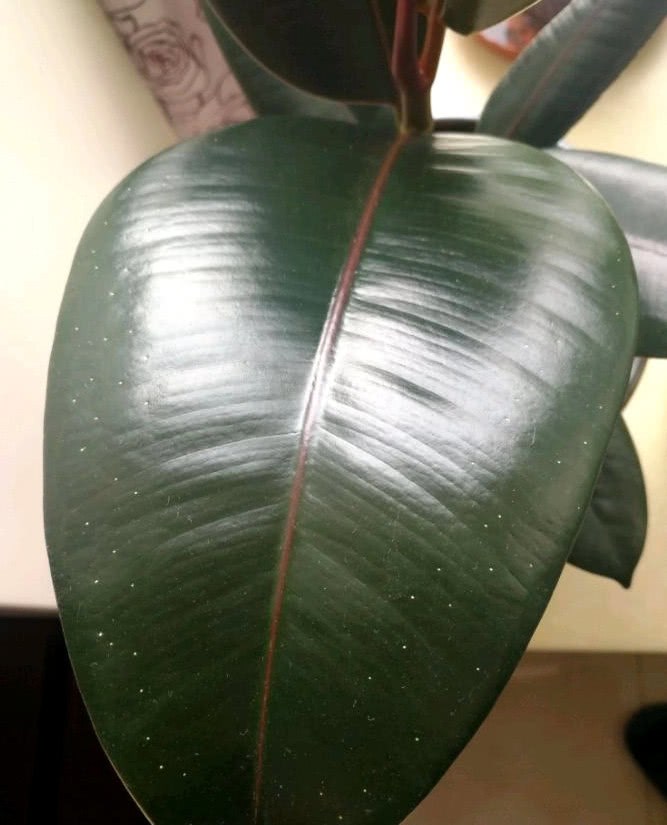
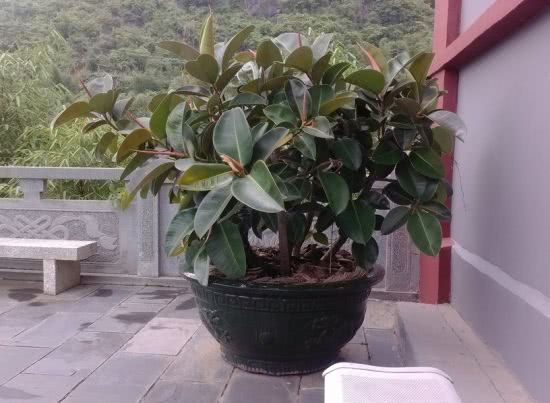
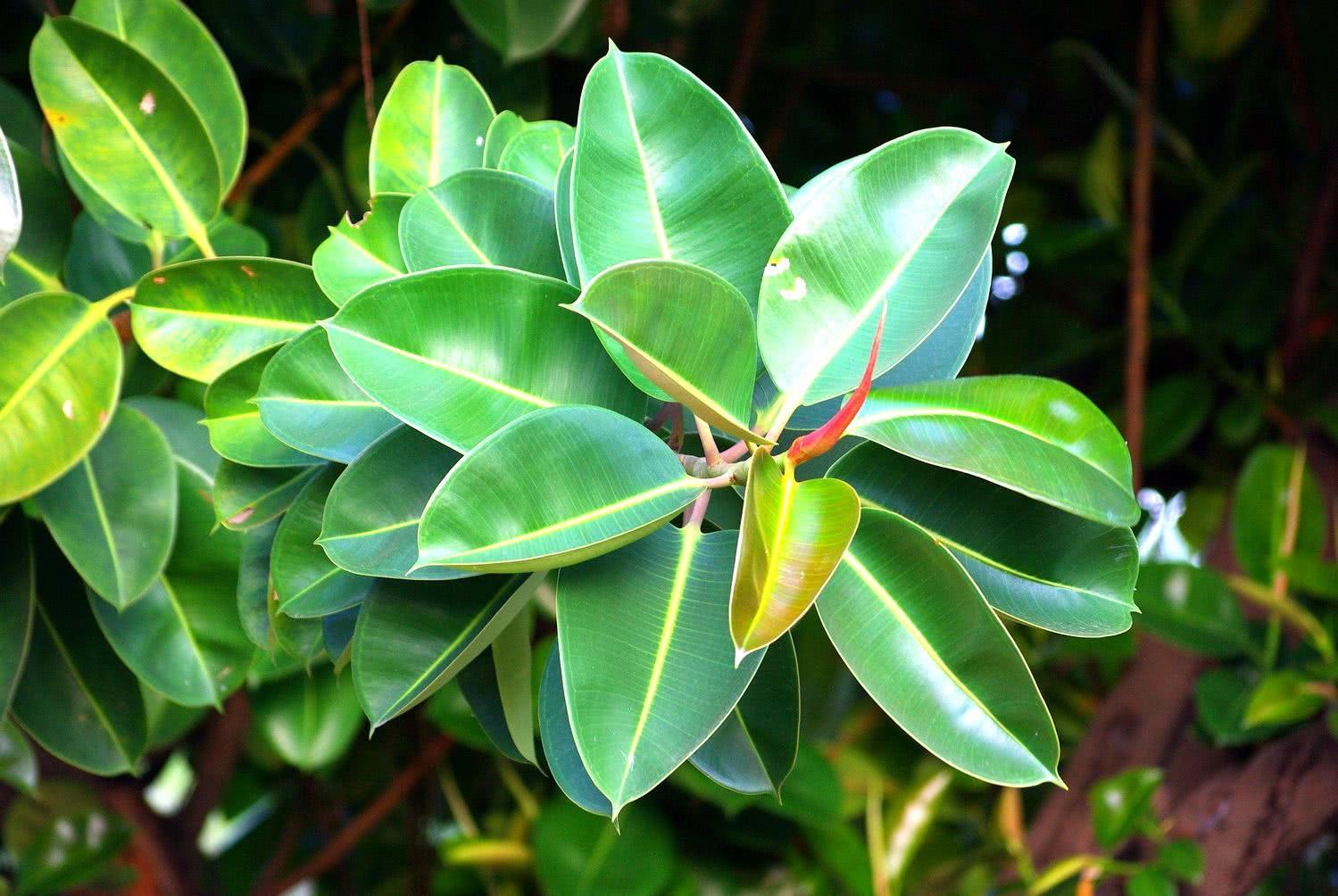
The Indian rubber tree is an evergreen tree of the genus Ficus in the mulberry family, also known as the rubber plant or Indian rubber fig. It is native to the tropical regions of Asia, and today it can be seen in courtyards and indoors in many places. In its place of origin it can grow into a tall tree, while when grown as a potted ornamental it is usually kept to a relatively compact shape. The leaves are large and thick, oval in shape, leathery and glossy, and the new leaves are often wrapped in red stipules and look very handsome once they unfurl.
The name comes from the white milky sap that flows from the plant, which looks very much like rubber, hence the name rubber tree. However, it is not the main source of natural rubber; people grow it mainly for its ornamental value.
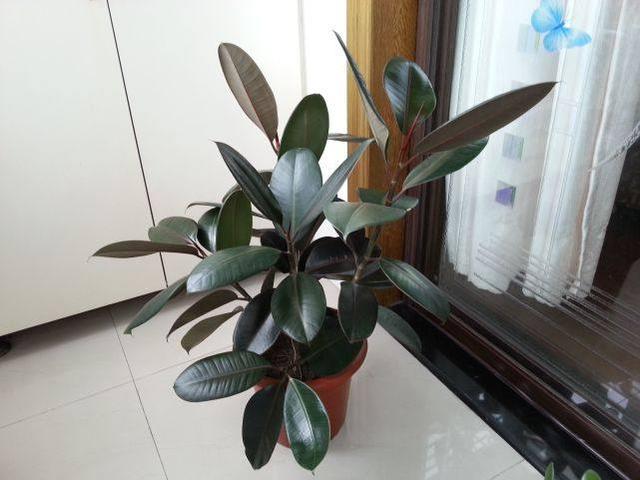
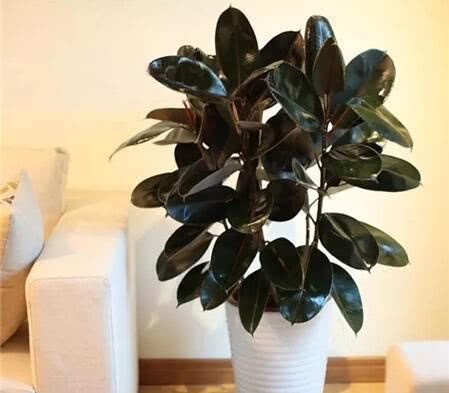
Besides the ordinary green-leaved type, common cultivated varieties include variegated types with markings on the leaves, golden-edged types, and types with very dark leaves, each with its own appeal. When choosing one, you can decide based on your interior decor style and personal preference.
As for care, the Indian rubber tree likes a warm, humid environment with plenty of sunlight, and it also has some tolerance for shade. Avoid harsh sun exposure in summer, and take care to protect it from the cold and keep it warm in winter. Water it by letting the soil dry out between waterings; never let the potting soil stay waterlogged for long, otherwise it easily causes root rot and leaf drop. During the growing season, supplement with fertilizer as appropriate, and regularly wipe the dust off the leaves to make them even glossier. When the plant grows too tall, you can control its height and encourage branching by pinching off the growing tip, and it also roots easily when propagated from cuttings.
With its large, thick leaves and dignified form, the Indian rubber tree is a common indoor foliage plant, suitable for placing in spaces such as the living room or study. If its leaves turn yellow and drop or it fails to produce new leaves for a long time, it is usually related to insufficient light, overwatering, or compacted potting soil, and you can adjust your care accordingly.
Related Reading