Rubber plant leaf cutting method: one leaf can propagate a whole new plant
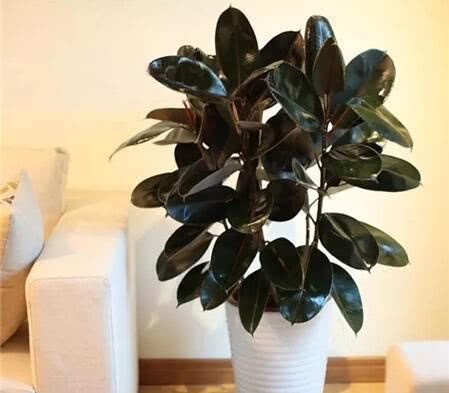
The rubber plant (Ficus elastica) is a well-known foliage plant, with large, thick, evergreen leaves that stay green all year round. It also has a unique ability to purify air and dust, absorbing harmful gases from the air and releasing oxygen while raising the concentration of negative ions in the air. It is an excellent plant for decorating the home, and many plant lovers choose to keep one. Rubber plants are easy to grow and easy to keep alive. Here is how to propagate a whole new rubber plant from just one leaf.
First, choose a rubber plant that has been grown for more than one year, select a healthy, thick leaf, cut it off close to the trunk with a blade, then rinse it with clean water until no more milky sap comes out, and let the wound dry. For the cutting medium I chose perlite; vermiculite is the best cutting medium, but here I use perlite for the process.
Choose a cola bottle and make a simple cutting bed: cut it open from the side, poke some small holes in the bottom and sides, fix it in place with some stones underneath, and set the cola bottle on top, which helps with drainage. Then insert the dried leaf into it, and be sure not to forget to water, watering once every day.
After about 14 days of cutting this way, the leaf surface looks very fresh and perky. If after another 10 days the leaf surface still shows no other changes, then the leaf is about to root: the wound tissue has fully healed and the leaf is in good condition, and small root hairs will grow. Once the roots have grown a bit longer, it can be transplanted into a flowerpot. Isn't it very simple? If you've learned it, you can give it a try.
Rubber plant growing tips: As a bonsai, the rubber plant should be placed in a spot with good ventilation and plenty of light, and indoors there needs to be a certain level of humidity. If none of these conditions are met, the rubber plant will develop yellow leaves, dry out, and also easily fall prey to disease and pests. So these necessary conditions must be in place. Rubber plants do not need frequent watering; when you water, water thoroughly, and do not use too much water, otherwise the plant's roots will rot and the plant will drop its leaves. In autumn and winter, reduce the amount of watering.
The best seasons for propagating rubber plants are spring and summer, so pay attention to the timing when taking rubber plant cuttings. The best growing temperature is 20°C-25°C, and it is fairly tolerant of high temperatures, growing well even at a maximum of 30°C. The rubber plant is not cold-tolerant, so when growing it in winter in the north, pay attention to the indoor temperature: only above a minimum of 5°C can it safely overwinter, and some variegated rubber plants have extremely poor cold resistance, so in winter the minimum temperature needs to be above 8°C. If low temperatures persist, the rubber plant will drop its leaves. Usually, a rubber plant must have its soil changed once every two years of growing; choose a loose, well-draining sandy soil, and you can mix garden soil with leaf mold and so on.