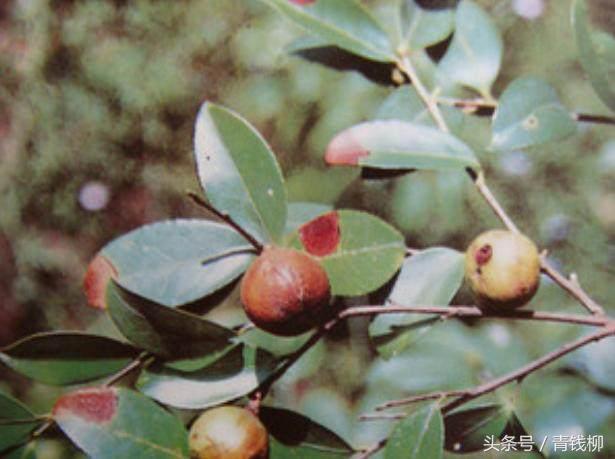
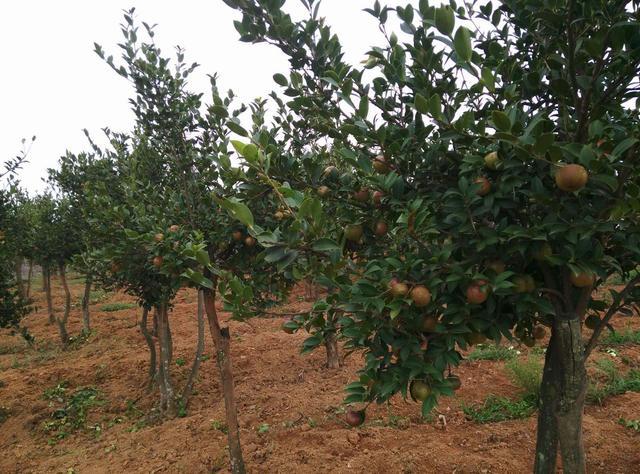
The price of a single Camellia oleifera (oil tea) sapling mainly depends on the variety and size
Camellia oleifera saplings are the young plants of the oil tea tree. Oil tea is an important woody oil tree species in our country; the tea oil pressed from its seeds is rich in nutrients and enjoys stable market demand, so many farmers and gardening enthusiasts want to understand the market before buying saplings.
There is no uniform selling price for oil tea saplings; it is mainly affected by variety, size and purchasing channel. Ordinary seedling-grown plants are relatively cheaper, while grafted plants cost more because of higher propagation costs; the greater the seedling height, ground diameter and crown width, the higher the price will be accordingly. In addition, larger purchase quantities usually get a more favorable unit price, and market conditions also differ among production regions.
Common oil tea nursery plants include ordinary oil tea, small-fruited oil tea and red-flowered oil tea, among which red-flowered oil tea can both yield seeds and has ornamental value, with showy flowers, and is often used in courtyards and landscape greening. Professionally grafted improved varieties generally bear fruit earlier and produce more stable yields, making them suitable for growers whose main goal is harvesting seeds.
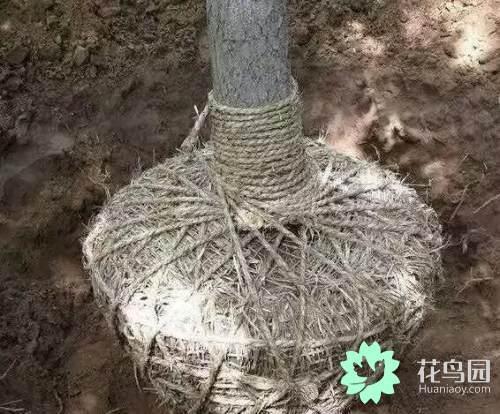
When choosing, it is advisable to give priority to seedlings with well-developed root systems, no pests or diseases, and plump terminal buds, and to buy from qualified nurseries, confirming variety purity and grafting status. Planting is mostly arranged in spring or autumn; after planting, water thoroughly to settle the roots and provide appropriate shade, which helps improve the survival rate.
Oil tea takes several years from planting to stable fruiting, and during this period alternate bearing may occur, which can be alleviated by strengthening water and fertilizer management and reasonable pruning. As long as good seedlings are chosen and managed properly, the investment in saplings can usually be gradually recovered over many years of harvest.
Related Reading