Soilless cultivation nutrient solution formulas are the key to hydroponic growing
A soilless cultivation nutrient solution formula refers to a nutrient supply plan formed by dissolving compounds containing nitrogen, phosphorus, potassium and secondary and trace elements in water in a certain proportion, according to the crop type, growth stage and water quality conditions. Once plants are separated from the soil, almost all the mineral nutrients needed for growth depend on the nutrient solution, so whether the formula is reasonable directly affects the results of hydroponics, aeroponics and substrate cultivation.
A complete formula usually consists of macronutrients and trace elements. The former includes nitrogen, phosphorus, potassium, calcium, magnesium and sulfur, while the latter covers iron, manganese, boron, zinc, copper, molybdenum and others. The commonly used raw materials are mostly water-soluble salts such as calcium nitrate, potassium nitrate, monopotassium phosphate and magnesium sulfate, and iron is mostly added in chelated form to make it easier for the roots to absorb. The proportions differ noticeably among crops: leafy vegetables need more nitrogen, while fruit vegetables and flowers should have the phosphorus and potassium ratio appropriately increased after they enter the flowering and fruiting stage.
When preparing the solution, the order matters. Calcium salts easily form precipitates when they meet phosphates and sulfates, so they should first be dissolved separately into stock solutions, then poured into a measured amount of clean water in sequence while stirring. The water source should preferably be clean soft water, and after mixing, the pH should be adjusted to the slightly acidic range suitable for most crops. Too high a concentration easily damages the roots, while too low a concentration leaves the plants thin and weak, so all types of salts must be weighed accurately and cannot be increased or decreased at will by feel.
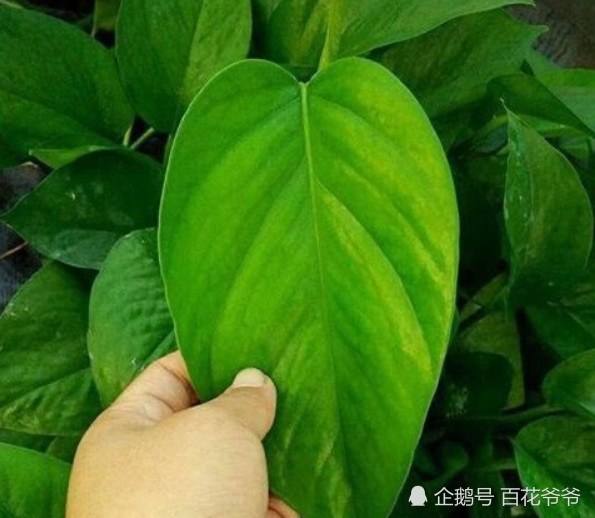
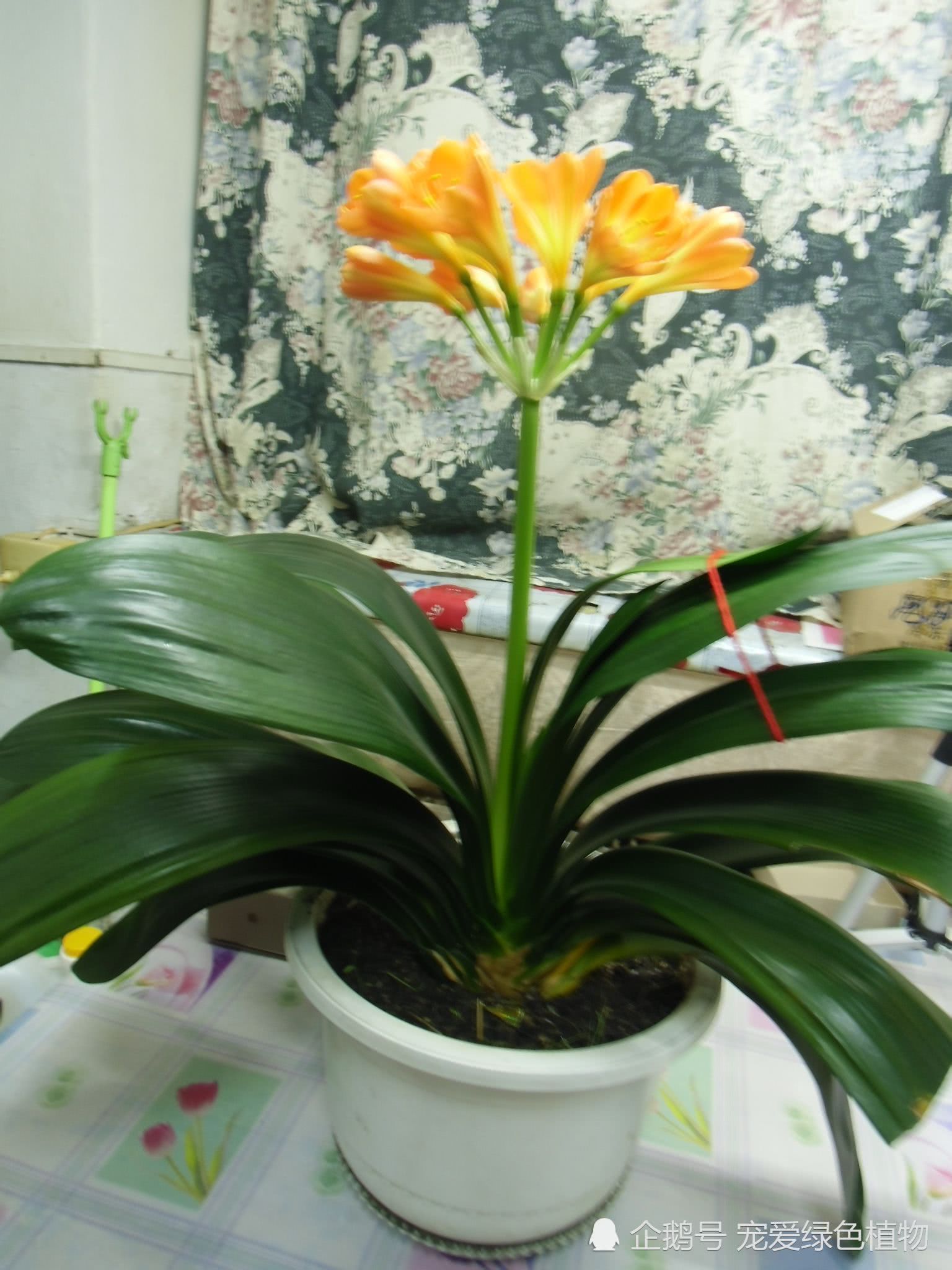
Once the formula is mastered, its uses are quite wide-ranging. For household hydroponics of flowers such as pothos, clivia and peace lily, it can replace ordinary flower fertilizer, and it is equally suitable for balcony vegetable growing and soilless seedling raising. In daily use, the nutrient solution should be replenished or replaced regularly, and the leaf color and root condition should be observed often. When growth is weak, the concentration should be raised appropriately, and when leaf tips turn yellow, it should be diluted in time, so that plants can have strong roots, glossy green leaves and continuous blooming.
Related reading